
Follow Me On Social Media!
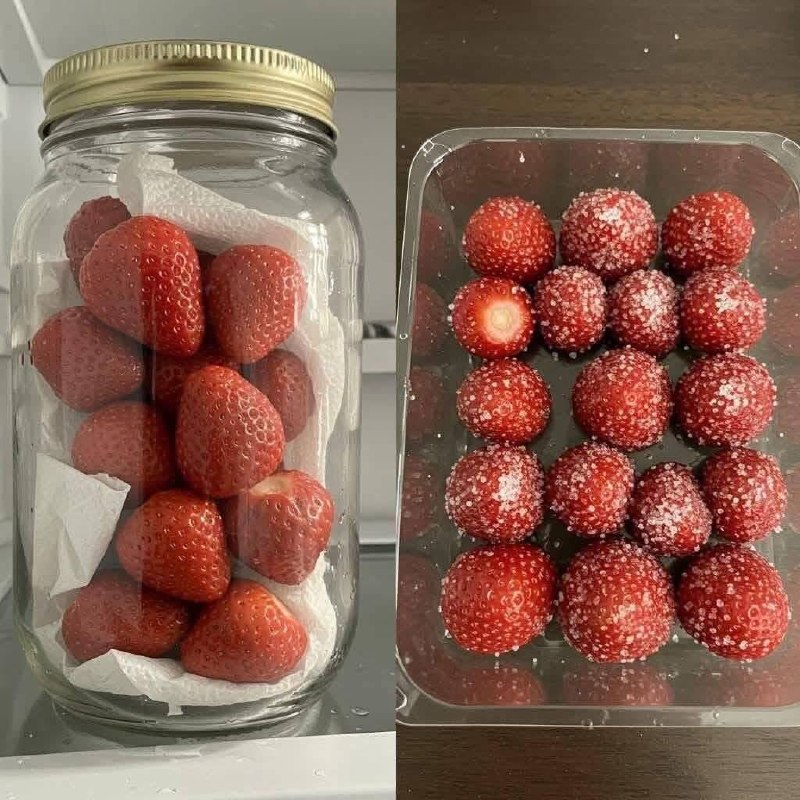
How to Keep Strawberries

Introduction
There’s nothing quite like the vibrant sweetness of a fresh strawberry. Its juicy burst of flavor instantly conjures images of warm summer days, picnics, and delicious desserts. But as quickly as they captivate our taste buds, strawberries have a notorious habit of spoiling just as fast. We’ve all been there: excitedly bringing home a punnet of plump, ruby-red berries, only to find them bruised, moldy, or mushy a mere day or two later. It’s a common frustration that often leaves us wondering if there’s a secret to keeping these delicate fruits at their peak.
The good news is, there are simple, effective methods to significantly extend the shelf life of your precious strawberries, ensuring you can savor their freshness for much longer. Forget the disappointment of wasted produce; with a few clever tricks, you can transform your strawberry storage game. In this comprehensive guide, we’ll dive into the best techniques for preserving that peak-of-freshness taste, including two standout methods that promise to keep your berries looking and tasting fantastic: the ingenious mason jar and paper towel technique for long-term refrigeration, and the classic sugared strawberry approach perfect for immediate enjoyment or short-term dessert enhancements.
Nutritional Information
Per serving (approximate values for 1 cup of fresh strawberries, unsugared):
- Calories: 49
- Protein: 1g
- Carbohydrates: 12g
- Fat: 0g
- Fiber: 3g
- Sodium: 2mg
Ingredients
- Fresh, firm, ripe strawberries
- Paper towels
- Clean, dry mason jars or other airtight containers (for Mason Jar Method)
- Granulated sugar (for Sugared Strawberries Method)
Instructions
Method 1: The Mason Jar and Paper Towel Technique (for extended refrigeration)
- Select Your Strawberries: Begin by carefully inspecting your strawberries. Choose berries that are firm, bright red, and free from any visible bruising, mold, or soft spots. The quality of the berries you start with will greatly influence how long they last.
- No Washing Yet: This is a crucial step! Do NOT wash your strawberries before storing them using this method. Washing introduces moisture, which is the primary enemy of strawberry freshness and accelerates mold growth. You will wash them just before you are ready to eat them.
- Initial Preparation: Gently remove any strawberries that show signs of bruising, mold, or excessive softness. Mold spreads rapidly, so isolating affected berries immediately is key to preventing contamination of the entire batch.
- Line the Container: Take a clean, dry mason jar or another similar airtight container. Line the bottom of the jar with one or two layers of clean, dry paper towels. The paper towels will act as a moisture-absorbing layer, drawing away any condensation that forms inside the jar.
- Load the Strawberries: Carefully place the unwashed strawberries into the prepared jar. Arrange them in a single layer if possible, or in loose layers if you have many, ensuring they are not tightly packed or crushed. Avoid overfilling the jar, as this can lead to bruising and reduced air circulation.
- Add More Paper Towels (Optional but Recommended): For larger jars or if you have multiple layers of strawberries, place an additional paper towel or two on top of the berries before sealing. This provides extra moisture absorption from the top down.
- Seal and Refrigerate: Securely seal the mason jar or airtight container with its lid. Place the sealed container in your refrigerator. The cool, stable environment of the refrigerator, combined with the moisture-absorbing paper towels and the limited airflow of the sealed jar, creates an optimal environment for extending strawberry shelf life.
- Expected Shelf Life: When stored correctly using this method, your strawberries can remain fresh and firm for 1 to 2 weeks, significantly longer than traditional storage methods.
Method 2: Sugared Strawberries (for immediate enjoyment or short-term preservation)
- Wash and Hull Strawberries: Unlike the jar method, you will wash your strawberries for this technique. Gently rinse the strawberries under cool running water. After washing, carefully hull each strawberry by removing the green leafy tops and the small white core. A strawberry huller or a small paring knife works well for this.
- Thoroughly Dry the Strawberries: This step is critical for preventing dilution of the sugar and achieving the desired texture. After washing and hulling, spread the strawberries out on a clean kitchen towel or several layers of paper towels. Gently pat them completely dry.
- Prepare for Sugaring: Place the clean, dry, and hulled strawberries into a shallow bowl or a clean container.
- Sprinkle with Sugar: Evenly sprinkle granulated sugar over the strawberries. The amount of sugar can vary depending on the sweetness of your berries and your personal preference, but generally, about 1-2 tablespoons of sugar per cup of strawberries is a good starting point. You can add more or less to taste.
- Gently Toss to Coat: Using a spoon or your clean hands, gently toss the strawberries to ensure they are evenly coated with the sugar. Be careful not to bruise the delicate fruit. As the sugar begins to dissolve, it will draw out some of the natural moisture from the strawberries, creating a delicious, glistening syrup.
- Chill and Allow to Macerate: Cover the bowl or container and refrigerate the sugared strawberries for at least 30 minutes, or up to a few hours. This chilling period allows the sugar to fully dissolve and penetrate the strawberries, creating that wonderful syrupy texture and intensifying their flavor.
- Serving and Storage: Sugared strawberries are best enjoyed within 1-2 days. They are perfect for topping desserts like ice cream, yogurt, pancakes, or waffles, or simply enjoyed on their own. Store any leftovers in an airtight container in the refrigerator.
Cooking Tips and Variations
To maximize the life and enjoyment of your strawberries, always start with the freshest possible berries. Look for bright red color, firm texture, and a sweet aroma. Avoid any with soft spots, mold, or dull appearance. When handling, be gentle; strawberries bruise easily, and bruised spots are prime targets for spoilage. If you notice any single berry beginning to mold, remove it from the batch immediately, as mold spreads incredibly quickly. For an extra layer of protection, especially if you’re not using the mason jar method, consider a quick vinegar bath. Mix 1 cup of white vinegar with 3 cups of water, briefly dip your unwashed strawberries (for about 30 seconds), then rinse very quickly under cold water and dry them absolutely thoroughly before refrigerating. The vinegar helps kill mold spores. For the sugared strawberries, consider adding a squeeze of fresh lemon juice along with the sugar; the acidity brightens the flavor and can slightly enhance the syrup. You can also experiment with different sugars, like brown sugar for a deeper molasses note, or even a dash of vanilla extract for an aromatic twist.
Storage and Reheating
For the Mason Jar and Paper Towel Method, simply keep the sealed jar in your refrigerator. When you’re ready to eat them, take out the desired amount, wash them thoroughly under cool water, and then enjoy. The remaining berries can stay in the jar. There’s no “reheating” involved with fresh strawberries, as they are best served chilled or at room temperature. For Sugared Strawberries, store any leftovers in an airtight container in the refrigerator for up to 2 days. The syrup may become thinner over time, but the flavor will remain delicious. Again, no reheating is needed; they are best served cold as a topping or side. For long-term storage beyond these methods, freezing is an excellent option. Wash, hull, and thoroughly dry your strawberries. You can freeze them whole or sliced. Arrange them in a single layer on a baking sheet lined with parchment paper and freeze until solid (this prevents them from clumping together). Once frozen, transfer them to a freezer-safe bag or container. Frozen strawberries are perfect for smoothies, jams, sauces, or baking, and can last for 6-12 months.
Frequently Asked Questions
Why shouldn’t I wash strawberries before storing them in the refrigerator?
Washing strawberries before storing them introduces excess moisture, which is the primary catalyst for mold growth and spoilage. The delicate skin of a strawberry can easily absorb this water, creating a damp environment that encourages bacteria and fungi to thrive. By keeping them dry until just before consumption, you significantly reduce the chances of premature spoilage and extend their freshness.
Can I use a plastic container instead of a mason jar for the paper towel method?
Yes, you can definitely use a plastic container instead of a mason jar, as long as it is airtight. The key elements for success with this method are the airtight seal and the use of paper towels to absorb moisture. A clean, dry plastic container with a tight-fitting lid will work just as effectively as a mason jar in creating the optimal environment for your strawberries.
How long do sugared strawberries last, and what are they best used for?
Sugared strawberries are best enjoyed within 1 to 2 days when stored in an airtight container in the refrigerator. While the sugar helps to draw out moisture and creates a delicious syrup, it’s not a long-term preservation method like canning or freezing. They are absolutely fantastic for immediate enjoyment, especially as a topping for desserts like ice cream, yogurt parfaits, shortcakes, pancakes, waffles, or even simply served with a dollop of whipped cream. They also make a quick and easy base for a fresh fruit sauce.