
Follow Me On Social Media!
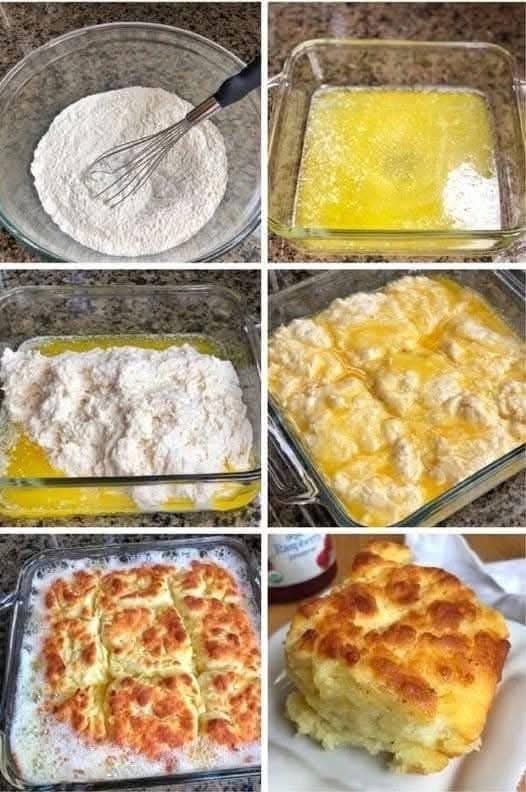
How to make Butter Swim Biscuits Recipe

Introduction
Prepare to meet your new favorite biscuit recipe: the Butter Swim Biscuits! These aren’t your grandma’s traditional, fussy biscuits that require careful kneading, rolling, and cutting. Oh no, these are a revelation in simplicity and deliciousness. Imagine biscuits so tender they practically melt in your mouth, with golden, slightly crispy tops and bottoms, all thanks to a generous “swim” in melted butter. This recipe has taken the internet by storm, and for good reason – it delivers incredibly fluffy, buttery biscuits with minimal effort, making it perfect for even the most novice bakers.
What makes Butter Swim Biscuits so special? It’s all in the ingenious technique. Instead of incorporating cold butter into the flour, you pour a pool of melted butter directly into your baking dish. Then, a simple, wet biscuit dough is spooned on top, allowing it to literally swim and bake in that golden goodness. As they bake, the butter infuses every crumb, creating an unparalleled richness and a wonderfully moist texture. The edges become beautifully caramelized, while the interiors remain impossibly soft and tender. It’s a game-changer for anyone who loves homemade biscuits but dreads the work.
Whether you’re looking for a quick breakfast treat, a comforting side for a hearty dinner, or an impressive addition to your brunch spread, these Butter Swim Biscuits are guaranteed to be a hit. They pair perfectly with sweet jams, honey, or fruit preserves, and are equally fantastic alongside savory dishes like fried chicken, sausage gravy, or a bowl of chili. Get ready to ditch the complicated methods and embrace the magic of the butter swim – your taste buds will thank you!
Nutritional Information
Per serving (approximate values):
- Calories: 280
- Protein: 5g
- Carbohydrates: 30g
- Fat: 16g
- Fiber: 1g
- Sodium: 400mg
Ingredients
- 2 cups (240g) all-purpose flour
- 1 tablespoon baking powder
- 1 teaspoon salt
- 2 tablespoons granulated sugar (optional, for a hint of sweetness)
- 1 ½ cups whole milk (or buttermilk for a tangier flavor)
- ¾ cup (1 ½ sticks) unsalted butter, melted
Instructions
- Preheat your oven to 450°F (232°C).
- In a large mixing bowl, whisk together the all-purpose flour, baking powder, salt, and granulated sugar (if using) until well combined. Make sure there are no lumps of baking powder.
- Pour the ¾ cup of melted butter into a 9×13 inch baking dish (or a similar-sized glass pan). Tilt the pan to ensure the butter evenly coats the entire bottom surface.
- Add the 1 ½ cups of milk to the dry ingredients in the large mixing bowl. Using a spoon or spatula, mix until just combined. The dough will be very wet, shaggy, and sticky. Be careful not to overmix, as this can lead to tough biscuits. A few streaks of flour are perfectly fine.
- Carefully spoon dollops of the wet biscuit dough into the melted butter in the baking dish. Try to spread it as evenly as possible across the bottom of the pan, but don’t worry about making it perfect. The dough will be thick and somewhat difficult to spread.
- Gently pour any remaining melted butter that might be pooling around the edges of the pan over the top of the dough. This adds to the golden crust and buttery flavor.
- Using a sharp knife or a bench scraper, gently score the dough into 12 equal portions (a 3×4 grid works well for a 9×13 inch pan). Do not cut all the way through to the bottom of the pan; you are just creating divots to help the biscuits separate after baking.
- Place the baking dish in the preheated oven and bake for 20-25 minutes, or until the biscuits are beautifully puffed up, golden brown on top, and cooked through. The butter will bubble up around the biscuits, creating a delicious crispy edge.
- Once baked, carefully remove the pan from the oven. Let the biscuits cool in the pan for 5-10 minutes before serving. This allows the butter to absorb back into the biscuits and makes them easier to remove.
- Serve warm with your favorite toppings like butter, jam, honey, or alongside savory dishes.
Cooking Tips and Variations
Achieving the perfect Butter Swim Biscuit is wonderfully easy, but a few key tips can elevate your results. First and foremost, resist the urge to overmix your dough. Overmixing develops gluten, which can lead to tough, chewy biscuits instead of the light, tender ones you’re aiming for. Mix only until the wet and dry ingredients are just combined; a few flour streaks are perfectly acceptable. Using cold milk can also contribute to a more tender biscuit, as it helps prevent the butter from melting too quickly in the dough before it hits the oven. While the recipe calls for unsalted butter, which gives you control over the salt content, if you only have salted butter, simply reduce the added salt in the dry ingredients by about half. The scoring step, while seemingly simple, is crucial. It helps define individual biscuits, promotes even baking, and makes them easy to separate once they’re out of the oven.
These biscuits are incredibly versatile and lend themselves well to various modifications. For a savory twist, try adding ½ cup of shredded cheddar cheese, ½ teaspoon of garlic powder, and 1 tablespoon of chopped fresh chives or rosemary to the dry ingredients. These make an excellent accompaniment to soups, stews, or a hearty breakfast. If you prefer a sweeter biscuit, incorporate 1 teaspoon of cinnamon, ½ teaspoon of nutmeg, or the zest of one orange or lemon into the dry mix. You can also sprinkle a little extra sugar on top before baking for a sparkling finish. For an even richer flavor, substitute whole milk with buttermilk, which adds a pleasant tang and helps create a very tender crumb. Don’t be afraid to experiment with different herbs, spices, or even a sprinkle of everything bagel seasoning for a unique savory treat!
Storage and Reheating
Butter Swim Biscuits are definitely best enjoyed fresh and warm from the oven, but if you happen to have any leftovers, they can be stored and reheated to maintain their deliciousness. To store, allow the biscuits to cool completely to room temperature. Once cooled, place them in an airtight container or a resealable plastic bag. They can be stored at room temperature for up to 2-3 days. For longer storage, you can refrigerate them for up to 5 days, though they may lose a bit of their initial tenderness.
To reheat, the best method is usually in an oven or toaster oven. Preheat your oven to 350°F (175°C). Place the biscuits on a baking sheet and heat for about 5-10 minutes, or until they are warmed through and the tops are slightly crispy again. If you’re in a hurry, you can use a microwave, but be aware that this can sometimes make biscuits a bit chewier. Microwave individual biscuits for 15-30 seconds at a time until warm. Avoid overheating in the microwave, as this can dry them out. For an extra touch when reheating, you can brush a little melted butter on top before warming them in the oven.
Frequently Asked Questions
Can I make these biscuits ahead of time?
While Butter Swim Biscuits are best enjoyed fresh, you can prepare the dry mix ahead of time and store it in an airtight container. When you’re ready to bake, simply add the milk and melted butter. You can also assemble the entire dish (dough in butter, scored) and refrigerate it for up to 12 hours before baking. Just be aware that it might take a few extra minutes to bake from cold.
What kind of milk should I use?
Whole milk is recommended for the richest flavor and best texture. However, you can also use buttermilk for a slightly tangier biscuit with an even more tender crumb. Skim or low-fat milk can be used, but the biscuits may be less rich and tender.
My biscuits didn’t get golden brown on top, what went wrong?
Several factors could contribute to this. Ensure your oven is fully preheated to 450°F (232°C) and that you’re baking for the recommended time. Oven temperatures can vary, so you might need to bake for a few extra minutes. Also, make sure you’re using a light-colored baking dish if possible, as darker pans can sometimes absorb too much heat and prevent even browning on top. Drizzling any extra melted butter over the top before baking also helps promote browning.