Follow Me On Social Media!
southern-cornbread-dressing

Introduction
There are some dishes that simply define comfort, tradition, and the warmth of gathering with loved ones. Southern Cornbread Dressing is undeniably one of them. More than just a side dish, it’s a culinary hug, a staple at holiday tables, and a beloved classic that evokes memories of family feasts and cherished traditions. With its rich, savory aroma filling the kitchen and its moist, flavorful texture, this dressing transforms any meal into a special occasion. It’s the ultimate homestyle comfort food, deeply rooted in Southern culinary heritage, offering a taste that’s both hearty and incredibly satisfying.
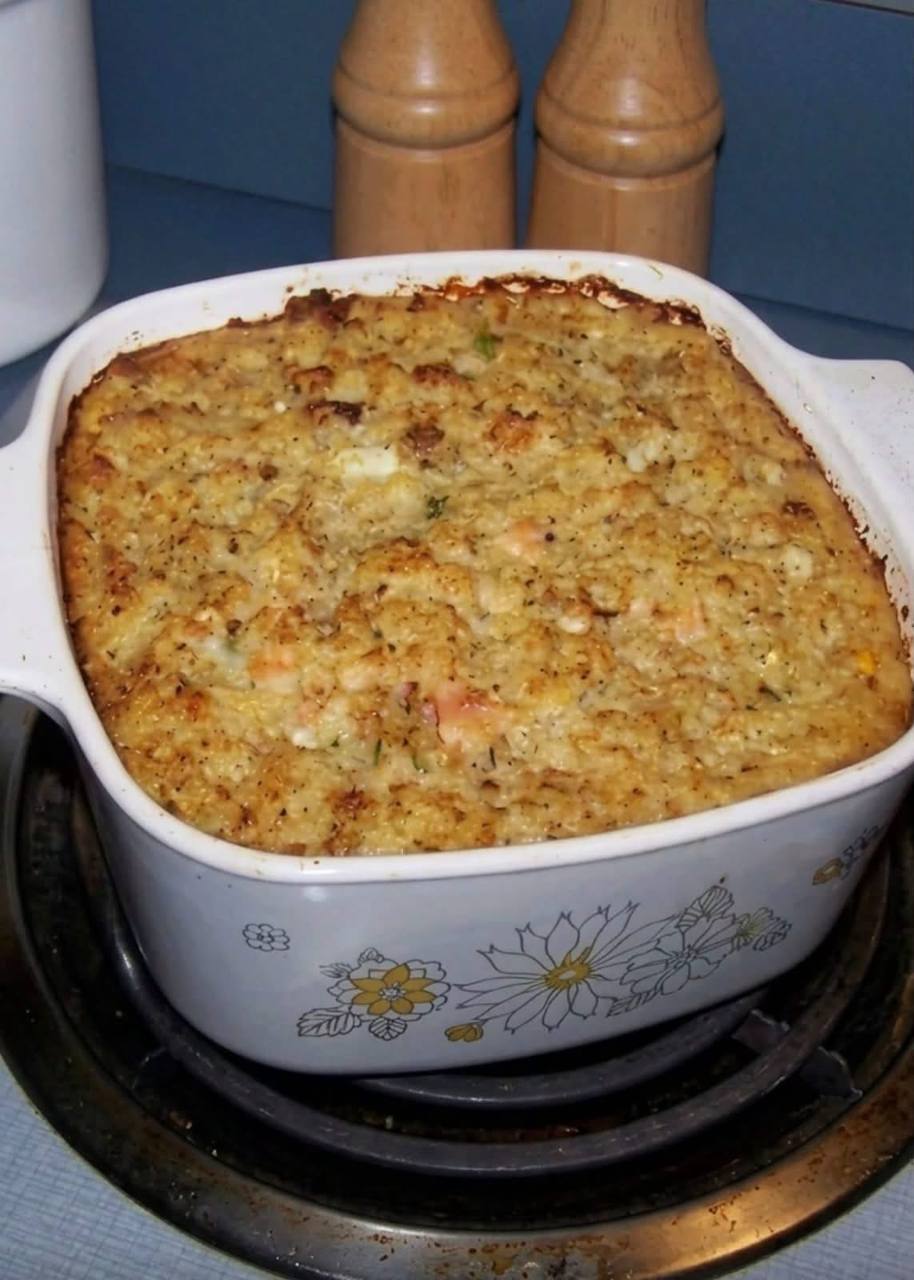
Unlike its Northern cousin, “stuffing,” which is often cooked inside the bird, Southern Cornbread Dressing is typically baked in a casserole dish, allowing for a delightful crispy top and edges while maintaining a wonderfully moist and tender interior. This recipe celebrates that distinction, focusing on a deeply flavorful, perfectly textured dressing that will become an instant favorite. Our version emphasizes traditional ingredients and techniques to deliver an authentic taste experience, ensuring every bite is packed with savory goodness, from the crumbled cornbread base to the aromatic vegetables and perfect blend of seasonings. It’s a dish that truly embodies the spirit of Southern hospitality and generosity.
What makes *this* particular Southern Cornbread Dressing recipe truly shine is its commitment to classic flavors and an easy-to-follow approach that guarantees delicious results every time. We’ll guide you through each step, from preparing the essential cornbread foundation to achieving that ideal balance of moisture and flavor. Whether you’re a seasoned Southern cook or new to this beloved dish, our detailed instructions and helpful tips will empower you to create a dressing that’s both traditional and utterly irresistible. Prepare to impress your family and friends with a dish that’s rich in history, flavor, and pure comfort – a true centerpiece for any holiday meal or Sunday supper.
Nutritional Information
Per serving (approximate values):
- Calories: 320
- Protein: 12g
- Carbohydrates: 35g
- Fat: 15g
- Fiber: 3g
- Sodium: 680mg
Ingredients
- 1 batch (8×8 inch pan) homemade or 2 (8.5 oz) boxes prepared cornbread mix, baked and cooled
- 1 tablespoon unsalted butter
- 1 large yellow onion, finely diced
- 2 stalks celery, finely diced
- 1/2 green bell pepper, finely diced (optional, for added flavor)
- 2 cloves garlic, minced
- 1/2 pound breakfast sausage, cooked and crumbled (optional, for extra richness)
- 4 cups low-sodium chicken broth, plus more if needed
- 2 large eggs, lightly beaten
- 1 teaspoon dried sage
- 1/2 teaspoon dried thyme
- 1/4 teaspoon black pepper
- 1/2 teaspoon salt, or to taste
- 1/4 cup fresh parsley, chopped (for garnish, optional)
Instructions
- Prepare the Cornbread: If making homemade cornbread, bake it according to your favorite recipe and allow it to cool completely. For store-bought mix, prepare as directed on the package, bake, and cool. Once cooled, crumble the cornbread into small, bite-sized pieces into a very large mixing bowl. The pieces should be relatively uniform but don’t need to be perfectly fine. For best results, use day-old or slightly dried cornbread; this prevents the dressing from becoming mushy. If your cornbread is fresh, you can spread the crumbles on a baking sheet and bake at 250°F (120°C) for 15-20 minutes to dry it out slightly, then let it cool.
- Sauté Aromatics: In a large skillet or Dutch oven, melt the butter over medium heat. Add the finely diced onion, celery, and green bell pepper (if using). Sauté for 8-10 minutes, stirring occasionally, until the vegetables are softened and translucent but not browned. Add the minced garlic and cook for another 1-2 minutes until fragrant. If using breakfast sausage, add the cooked and crumbled sausage to the skillet with the vegetables and stir to combine. Remove the skillet from the heat.
- Combine Ingredients: Add the sautéed vegetable mixture (and sausage, if using) to the large bowl with the crumbled cornbread. Pour in the 4 cups of chicken broth, the lightly beaten eggs, dried sage, dried thyme, black pepper, and salt.
- Mix Thoroughly: Using a large spoon or your hands, gently mix all the ingredients together until well combined. Be careful not to overmix, as this can lead to a dense dressing. The mixture should be moist but not soupy. If it seems too dry, add a little more chicken broth, about 1/4 cup at a time, until it reaches a consistency where it holds together when pressed lightly.
- Prepare for Baking: Preheat your oven to 375°F (190°C). Lightly grease a 9×13-inch baking dish with butter or cooking spray.
- Transfer and Bake: Transfer the cornbread dressing mixture into the prepared baking dish, spreading it evenly. You can gently pat the top to create a relatively smooth surface.
- Bake to Golden Perfection: Bake for 30 minutes, uncovered. Then, if desired, you can loosely cover the dish with aluminum foil to prevent the top from browning too quickly, and continue to bake for another 15-20 minutes, or until the dressing is set in the center and the top is beautifully golden brown and slightly crispy. An internal temperature of 165°F (74°C) indicates it’s fully cooked.
- Rest and Serve: Once baked, remove the dressing from the oven and let it rest for 10-15 minutes before serving. This allows the dressing to set further and makes it easier to scoop. Garnish with fresh chopped parsley, if desired. Serve warm as a delicious side dish.
Cooking Tips and Variations
Achieving the perfect Southern Cornbread Dressing involves a few key techniques and allows for wonderful personalized touches. Firstly, the consistency is paramount. The secret to a moist but not soggy dressing lies in the cornbread itself. Always use day-old or slightly dried cornbread. Fresh, soft cornbread can absorb too much liquid and result in a mushy texture. If your cornbread is fresh, simply break it into crumbles and spread it on a baking sheet, then bake at a low temperature (around 250°F/120°C) for 15-20 minutes to gently dry it out. When mixing, add the broth gradually. The amount of broth needed can vary depending on the dryness and absorbency of your cornbread. You’re looking for a mixture that is thoroughly moistened and holds together when squeezed but isn’t swimming in liquid. It should resemble a very thick, lumpy batter.
For flavor enhancers, sage and thyme are classic Southern dressing seasonings, but don’t stop there! A pinch of poultry seasoning can deepen the savory notes, and a dash of cayenne pepper or a few shakes of hot sauce can introduce a subtle, delightful kick without making it overtly spicy. Feel free to experiment with other fresh herbs like rosemary or chives. For an extra layer of richness, cook your aromatics (onions, celery, bell pepper) in reserved pan drippings from a roasted turkey or chicken instead of butter. This infuses the dressing with even more savory depth. Another trick is to taste the mixture before baking. Since it contains raw egg, don’t eat spoonfuls, but you can taste a tiny bit of the cornbread mixture to adjust salt, pepper, and herbs to your preference. This ensures the seasoning is perfect once baked.
Make-ahead options are a lifesaver, especially for holiday cooking. You can prepare and bake your cornbread up to 2-3 days in advance. Crumble it and store it in an airtight container at room temperature. The sautéed aromatics can also be cooked a day ahead and stored in the refrigerator. You can even assemble the entire dressing mixture (up to step 4) a day in advance, cover it tightly, and refrigerate. When ready to bake, let it sit at room temperature for about 30 minutes before baking, and you might need to add an extra 10-15 minutes to the baking time since it will be going into the oven cold. This pre-preparation is excellent for reducing stress on busy cooking days.
Serving suggestions for Southern Cornbread Dressing are endless. It is the quintessential accompaniment to roasted turkey, baked ham, or a juicy roasted chicken. A generous ladle of homemade gravy over a scoop of dressing is pure heaven. It also pairs wonderfully with cranberry sauce, sweet potato casserole, and green bean casserole for a complete holiday spread. Don’t limit it to holidays; it makes a fantastic side for any Sunday supper or family meal. For variations, consider adding cooked and crumbled breakfast sausage for a heartier, more savory profile, or diced, cooked chicken or turkey. Some traditional recipes include giblets (from turkey or chicken), finely chopped and added to the aromatic mixture for a deeper, more gamey flavor. For a truly unique and regional twist, consider adding a cup of shucked and chopped oysters for an “Oyster Dressing” variation, a beloved Southern delicacy. Even a handful of toasted pecans can add a lovely texture and nutty flavor. Remember, the beauty of this dish is its adaptability; feel free to make it your own!
Storage and Reheating
Proper storage and reheating are key to enjoying your Southern Cornbread Dressing long after it’s first served. To store leftovers, allow the dressing to cool completely to room temperature. Once cooled, transfer it to an airtight container. It will keep well in the refrigerator for up to 3-4 days. For longer storage, Southern Cornbread Dressing freezes beautifully. Place cooled dressing in a freezer-safe, airtight container or heavy-duty freezer bag. It can be frozen for up to 2-3 months. Thaw frozen dressing overnight in the refrigerator before reheating.
When it comes to reheating, there are a few excellent methods to maintain its delicious texture. For individual servings, the microwave is quick and convenient. Place a portion on a microwave-safe plate, cover loosely, and heat on high for 1-2 minutes, or until heated through. For larger quantities, or to achieve a crispy top again, reheating in the oven is best. Preheat your oven to 300-325°F (150-160°C). Transfer the dressing to an oven-safe dish, cover it loosely with aluminum foil to prevent drying out, and bake for 20-30 minutes, or until heated through. If you want to crisp up the top, remove the foil for the last 5-10 minutes. You can also add a splash of chicken broth to the dish before reheating to ensure it stays moist, especially if it seems a little dry from being refrigerated.
Frequently Asked Questions
What’s the difference between “dressing” and “stuffing”?
While the terms are often used interchangeably, especially outside the South, the traditional distinction lies in how they are cooked. “Stuffing” is typically cooked inside the cavity of the bird (like a turkey or chicken), absorbing its juices. “Dressing,” on the other hand, is cooked in a separate casserole dish. This Southern Cornbread Dressing recipe is a true dressing, baked independently to achieve its signature crispy top and moist interior.
Can I make this recipe gluten-free?
Yes, absolutely! The primary ingredient containing gluten is the cornbread. To make this recipe gluten-free, simply use a gluten-free cornbread mix or a homemade gluten-free cornbread recipe. Ensure all other ingredients, especially broth, are certified gluten-free. The rest of the recipe steps remain the same, allowing you to enjoy a delicious gluten-free version of this classic dish.
My dressing turned out a bit dry. What did I do wrong, and how can I fix it next time?
A dry dressing is often a result of not enough liquid or overbaking. Next time, ensure your cornbread is adequately moistened before baking; it should feel like a thick, lumpy batter. Don’t be afraid to add a little extra broth, a quarter cup at a time, until the desired consistency is reached. Also, be mindful of baking time and temperature. Ovens can vary, so keep an eye on it. If your dressing comes out dry, you can try to salvage it by pouring a bit of warm chicken broth or gravy over the top before serving to add moisture.
Can I use store-bought cornbread?
Yes, you can use store-bought cornbread, whether it’s a pre-baked loaf or a cornbread mix you prepare. However, for the best texture and flavor, many Southern cooks prefer homemade cornbread, as it often has a coarser texture and less sweetness than some commercial varieties. If using store-bought, make sure it’s not too sweet. Regardless of the source, ensure the cornbread is day-old or dried out slightly to prevent a mushy dressing.