Follow Me On Social Media!
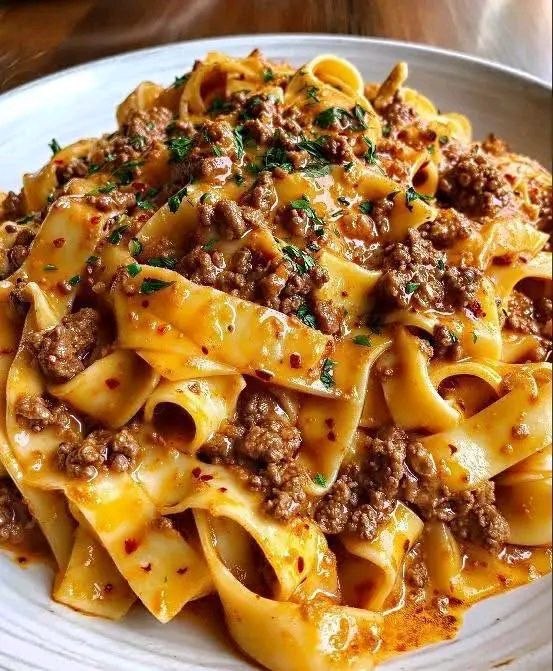
ITALIAN DRUNKEN NOODLES

Introduction
When you hear “drunken noodles,” your mind probably zips straight to the bustling street food stalls of Thailand, with their fiery, savory, and slightly sweet stir-fries. But what if we told you there’s a new kind of tipsy noodle in town, one that brings the robust, comforting flavors of Italy to the party? Welcome to the delicious world of Italian Drunken Noodles – a fusion dish that takes the spirit of its Thai counterpart and infuses it with rich, hearty Italian ingredients. This isn’t just another pasta dish; it’s a culinary adventure that promises big flavors with surprisingly little effort.
Our Italian Drunken Noodles are an homage to the concept of “drunken” cooking, which traditionally implies the generous use of wine or other spirits to create a deep, complex sauce. In this Italian-inspired version, we swap out the typical Asian aromatics for classic Italian staples: ground beef, aromatic vegetables, rich tomatoes, and of course, a healthy splash of red wine. The result is a deeply satisfying, incredibly flavorful pasta dish that feels both familiar and excitingly new. It’s the perfect weeknight meal when you’re craving something comforting, bold, and incredibly easy to whip up.
Imagine tender pappardelle, those wide, flat ribbons of pasta, coated in a luscious, wine-infused ragu-like sauce. This dish offers a delightful kick from red pepper flakes, balanced by the sweetness of tomatoes and the savory depth of browned beef. It’s a dish designed for maximum flavor impact with minimal fuss, making it an ideal candidate for a cozy dinner at home or an impressive yet simple meal for guests. Get ready to fall in love with your new favorite pasta!
Nutritional Information
Per serving (approximate values):
- Calories: 720
- Protein: 45g
- Carbohydrates: 65g
- Fat: 30g
- Fiber: 6g
- Sodium: 850mg
Ingredients
- 1 tablespoon olive oil
- 1 pound ground beef (80/20 lean recommended)
- 1 large yellow onion, finely diced
- 4 cloves garlic, minced
- 1 teaspoon dried oregano
- 1/2 teaspoon red pepper flakes (or more, to taste)
- 1/2 cup dry red wine (such as Chianti or Merlot)
- 1 (28-ounce) can crushed tomatoes
- 1 cup beef broth
- 1 tablespoon tomato paste
- 1 teaspoon sugar (optional, to balance acidity)
- Salt and freshly ground black pepper, to taste
- 1 pound pappardelle pasta
- 1/4 cup fresh parsley, chopped, for garnish
- Grated Parmesan cheese, for serving (optional)
Instructions
- Bring a large pot of salted water to a rolling boil for the pasta.
- Heat the olive oil in a large skillet or Dutch oven over medium-high heat. Add the ground beef and cook, breaking it up with a spoon, until thoroughly browned, about 6-8 minutes. Drain off any excess fat.
- Reduce the heat to medium. Add the diced onion to the skillet with the beef and cook until softened and translucent, about 5-7 minutes.
- Stir in the minced garlic, dried oregano, and red pepper flakes. Cook for another 1-2 minutes until fragrant, being careful not to burn the garlic.
- Pour in the red wine, scraping up any browned bits from the bottom of the pan with a wooden spoon. Bring to a simmer and cook until the wine has mostly evaporated and reduced by about half, about 3-5 minutes. This step is crucial for deglazing and building flavor.
- Stir in the crushed tomatoes, beef broth, tomato paste, and sugar (if using). Season generously with salt and black pepper. Bring the sauce to a gentle simmer, then reduce the heat to low, cover, and let it cook for at least 20 minutes, or up to 45 minutes, stirring occasionally. The longer it simmers, the more the flavors will meld and deepen.
- While the sauce is simmering, add the pappardelle pasta to the boiling water and cook according to package directions until al dente.
- Before draining the pasta, reserve about 1 cup of the starchy pasta water.
- Drain the cooked pappardelle and add it directly to the simmering sauce in the skillet. Toss the pasta with the sauce until thoroughly coated. If the sauce seems too thick, add a splash or two of the reserved pasta water until it reaches your desired consistency.
- Taste and adjust seasoning if necessary.
- Serve immediately, garnished with fresh chopped parsley and a generous sprinkle of grated Parmesan cheese, if desired.
Cooking Tips and Variations
Choosing Your Wine: For the best flavor, use a dry red wine that you enjoy drinking. Cabernet Sauvignon, Merlot, or a Sangiovese (like Chianti) work wonderfully. Avoid cooking wines, which often contain added salt and can have an inferior flavor. The alcohol cooks out, leaving behind a rich, complex flavor.
Don’t Skimp on Simmering: The longer your sauce simmers, the more depth of flavor it will develop. If you have time, let it gently bubble for an hour; your taste buds will thank you. Just be sure to stir occasionally and add a little more broth or water if it gets too thick.
Pasta Perfection: Always cook your pasta to al dente – firm to the bite. Since it will finish cooking in the sauce, slightly undercooking it by a minute or two from package directions is a good idea to prevent it from becoming mushy. The starchy pasta water is your secret weapon for achieving a silky, emulsified sauce that clings beautifully to the noodles.
Adjusting the Heat: The amount of red pepper flakes is entirely up to your preference. Start with 1/2 teaspoon for a mild warmth, and add more if you like a spicier kick. You can also add a pinch of cayenne pepper for extra heat.
Vegetarian Option: To make this dish vegetarian, omit the ground beef and sauté a mix of finely chopped mushrooms (cremini or shiitake are great) and bell peppers in its place. You can also use vegetable broth instead of beef broth. Consider adding a can of drained and rinsed cannellini beans for extra protein and texture.
Add More Veggies: Feel free to sneak in more vegetables. Sautéing finely diced carrots and celery along with the onion (this trio is known as a soffritto in Italian cooking) will add another layer of flavor and nutrients. Spinach or kale can be stirred in at the end to wilt into the hot sauce.
Protein Variations: Instead of ground beef, you could use ground Italian sausage (mild or hot), ground turkey, or even shredded cooked chicken. If using sausage, you might need less seasoning as it’s already well-spiced.
Cheese Please: While Parmesan is a classic, consider a sprinkle of Pecorino Romano for a sharper, saltier kick. A dollop of fresh ricotta stirred in at the end can also add a creamy texture.
Fresh Herbs are Key: Don’t skip the fresh parsley for garnish; it adds a bright, fresh contrast to the rich sauce. Fresh basil or oregano leaves would also be fantastic additions.
Storage and Reheating
Storage: Leftover Italian Drunken Noodles can be stored in an airtight container in the refrigerator for up to 3-4 days. It’s best to store the pasta and sauce together, as the flavors continue to meld and develop.
Reheating:
- Stovetop: The best way to reheat is on the stovetop. Place the desired portion in a skillet over medium-low heat. Add a splash of beef broth, water, or even a little red wine to help loosen the sauce and prevent it from drying out. Stir gently and heat until warmed through, about 5-7 minutes.
- Microwave: For a quicker option, place a single serving in a microwave-safe dish. Add a tablespoon or two of water or broth, cover loosely, and heat on medium power for 1-2 minutes, stirring halfway through, until hot. Be careful not to overheat, as this can make the pasta mushy.
- Oven: If reheating a larger batch, you can place it in an oven-safe dish, cover with foil, and bake at 350°F (175°C) for 15-20 minutes, or until heated through. Again, a little liquid can help keep it moist.
Note that the pasta may absorb more of the sauce upon reheating, so don’t be shy about adding a bit more liquid to restore its desired consistency.
Frequently Asked Questions
What does “drunken” mean in this dish?
In the context of “drunken noodles,” it refers to the use of alcohol, specifically red wine in this Italian version, in the sauce. The wine adds a significant depth of flavor and complexity to the dish as it cooks down, with the alcohol evaporating and leaving behind its rich essence. It’s not meant to make the dish taste alcoholic, but rather to enhance the overall savory profile, similar to how wine is used in many traditional Italian ragus.
Can I make this dish ahead of time?
While the sauce can definitely be made ahead of time and refrigerated for up to 3 days (it often tastes even better the next day!), it’s best to cook the pasta fresh just before serving. If you combine the pasta and sauce too far in advance, the pasta can absorb too much liquid and become soft or mushy. If you do need to combine them, slightly undercook the pasta and add a bit more liquid when reheating.
What kind of pasta is best for Italian Drunken Noodles?
Wide, flat noodles like pappardelle are ideal for this dish, as they have a large surface area that beautifully catches and holds the rich, hearty sauce. Other excellent choices would be tagliatelle, fettuccine, or even a broad rigatoni. The key is a pasta that can stand up to a robust, meaty sauce without getting lost.
Is this dish very spicy?
The spiciness of Italian Drunken Noodles is entirely customizable. The recipe calls for 1/2 teaspoon of red pepper flakes, which provides a mild warmth that balances the richness of the sauce without being overpowering. If you prefer a stronger kick, you can easily increase the amount of red pepper flakes to 1 teaspoon or more. Conversely, if you’re sensitive to spice, you can reduce the amount or omit them entirely.