Follow Me On Social Media!
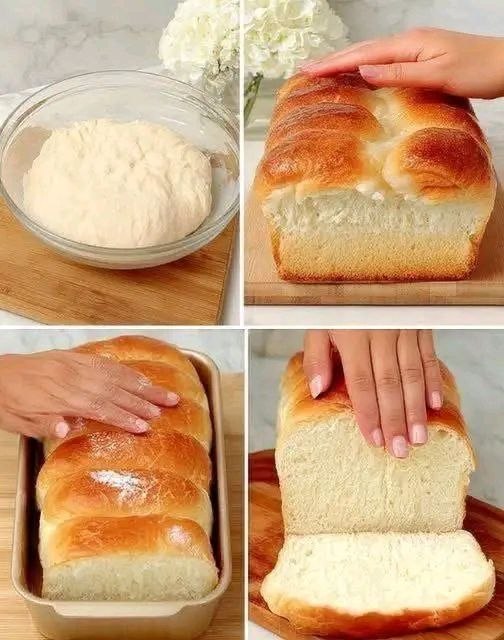
Keto Brioche Bread

Introduction
Brioche. Just the word conjures images of a golden, tender, and impossibly rich bread, a true indulgence in the world of baked goods. Traditionally, this French classic is a celebration of butter, eggs, and all-purpose flour, making it a high-carb dream that, unfortunately, doesn’t quite fit into a ketogenic lifestyle. For those of us following a low-carb diet, the thought of sinking our teeth into a fluffy slice of brioche has often remained just that – a thought. But what if we told you that the dream can now be a delicious reality?
Enter Keto Brioche Bread: a game-changer for anyone craving that buttery, delicate crumb without derailing their ketosis. This recipe ingeniously re-engineers the beloved brioche, swapping out the carb-heavy ingredients for keto-friendly alternatives that deliver on taste, texture, and satisfaction. Imagine a bread so soft it practically melts in your mouth, with that characteristic golden crust and rich flavor, all while keeping your net carb count low. This isn’t just a passable substitute; it’s a genuinely delicious bread that will satisfy your deepest bread cravings and elevate your keto meals.
Our Keto Brioche isn’t just about cutting carbs; it’s about crafting a truly exceptional low-carb bread. We’ve meticulously balanced ingredients to ensure that the unique characteristics of brioche – its airy texture, its distinct richness, and its slightly sweet profile – are perfectly replicated. Whether you enjoy it toasted with butter, as the base for a savory sandwich, or simply on its own, this keto brioche will quickly become a cherished staple in your low-carb kitchen, proving that you don’t have to sacrifice flavor or tradition to eat healthily.
Nutritional Information
Per serving (approximate values, based on 12 slices):
- Calories: 280
- Protein: 10g
- Carbohydrates: 6g
- Fat: 25g
- Fiber: 4g
- Net Carbs: 2g
- Sodium: 220mg
Ingredients
- 1 cup (112g) almond flour, superfine blanched
- ¼ cup (28g) coconut flour
- 2 tablespoons (14g) psyllium husk powder (not whole psyllium husk)
- 2 teaspoons baking powder
- ½ teaspoon salt
- ¼ cup (57g) unsalted butter, melted and cooled slightly, plus more for greasing
- 4 large eggs, at room temperature
- ¼ cup (60ml) unsweetened almond milk, warmed
- 2 tablespoons (30g) erythritol or preferred keto sweetener, powdered
- 1 teaspoon active dry yeast
- 1 teaspoon inulin or a pinch of sugar (for activating yeast, will be consumed by yeast)
- 1 teaspoon vanilla extract (optional, for a slightly sweeter brioche)
- For the Egg Wash: 1 large egg yolk, 1 tablespoon almond milk, a pinch of powdered erythritol (optional)
Instructions
- Activate the Yeast: In a small bowl, combine the warmed almond milk (ensure it’s lukewarm, not hot, about 105-115°F or 40-46°C), 1 teaspoon of erythritol (or the optional pinch of sugar/inulin), and the active dry yeast. Stir gently and let it sit for 5-10 minutes until frothy. This indicates the yeast is active.
- Combine Dry Ingredients: In a large mixing bowl, whisk together the almond flour, coconut flour, psyllium husk powder, baking powder, salt, and the remaining 1 tablespoon of powdered erythritol. Make sure there are no lumps.
- Combine Wet Ingredients: In a separate medium bowl, whisk the 4 large eggs until well combined. Stir in the melted and cooled butter and the vanilla extract (if using).
- Combine Wet and Dry: Pour the activated yeast mixture into the wet ingredients. Then, gradually add the wet mixture to the dry ingredients, mixing with a sturdy spatula or a stand mixer with a paddle attachment on low speed. Mix until a thick, uniform dough forms. The dough will be much stickier and softer than traditional wheat dough.
- Knead the Dough (Briefly): If using a stand mixer, increase speed to medium-low and “knead” for 2-3 minutes. If mixing by hand, use the spatula to fold and press the dough against the sides of the bowl for 3-5 minutes. The goal is to ensure all ingredients are fully incorporated and the psyllium husk has had a chance to absorb liquid, which helps with texture. The dough will still be soft.
- First Rise (Proofing): Lightly grease a large bowl with butter. Place the dough in the bowl, cover it with plastic wrap or a clean kitchen towel, and place it in a warm, draft-free place. Let it rise for 1 to 2 hours, or until visibly increased in size (it may not double like traditional dough, but it should look puffier and lighter). A warm oven (turned off, with the light on) or a proofing setting on your oven works well.
- Prepare for Baking: While the dough is rising, preheat your oven to 350°F (175°C). Grease a standard loaf pan (8.5 x 4.5 inches or 9 x 5 inches) generously with butter.
- Shape the Brioche: Once the dough has risen, gently punch it down to release some air. On a lightly greased surface or piece of parchment paper, divide the dough into 3-4 equal portions. Gently roll each portion into a smooth ball or an oblong shape. If making a traditional brioche loaf with individual rolls, arrange the balls side-by-side in the prepared loaf pan. For a simpler loaf, you can gently form the entire dough into a loaf shape and place it in the pan.
- Second Rise: Cover the loaf pan with plastic wrap or a kitchen towel and let it rise again in a warm place for another 30-45 minutes. It should puff up further.
- Apply Egg Wash: In a small bowl, whisk together the egg yolk, 1 tablespoon almond milk, and an optional pinch of powdered erythritol. Gently brush the top of the brioche with the egg wash. This will give it that beautiful golden-brown, glossy crust.
- Bake: Place the loaf pan in the preheated oven. Bake for 35-45 minutes, or until the top is deeply golden brown and a wooden skewer or toothpick inserted into the center comes out clean. The internal temperature should register around 200-210°F (93-99°C). If the top starts to brown too quickly, you can loosely tent it with aluminum foil.
- Cool: Once baked, remove the brioche from the oven and let it cool in the pan for 10-15 minutes. Then, carefully invert it onto a wire rack to cool completely. Cooling completely is crucial for keto breads, as it allows the internal structure to set fully.
Cooking Tips and Variations
Temperature is Key for Yeast: Ensure your almond milk for activating yeast is lukewarm (around 105-115°F or 40-46°C). Too cold, and the yeast won’t activate; too hot, and it will kill the yeast. A kitchen thermometer is your best friend here.
Don’t Skip the Psyllium Husk: Psyllium husk powder is vital for providing structure and elasticity to keto dough, mimicking gluten. Make sure to use powder, not whole husks, for the best texture.
Room Temperature Ingredients: Eggs and butter at room temperature emulsify better and create a smoother, more uniform dough, contributing to a lighter brioche.
Gentle Handling: Keto doughs are more delicate than traditional wheat doughs. Handle the dough gently during shaping to avoid deflating the air pockets created during proofing.
Proofing Environment: A warm, humid environment is ideal for rising. If your kitchen is cool, try placing the covered bowl/pan in a turned-off oven with just the light on, or near a warm (but not hot) spot.
Achieving the Golden Crust: The egg wash is essential for brioche’s signature golden-brown, shiny crust. For an extra touch of sweetness and deeper browning, a pinch of powdered erythritol can be added to the egg wash.
Check for Doneness: The best way to know if your brioche is fully cooked is to use an instant-read thermometer. It should read 200-210°F (93-99°C) in the center. If it’s browning too quickly, loosely tent with foil for the remainder of the baking time.
Cool Completely: Resist the urge to slice into your brioche immediately. Keto breads need to cool completely on a wire rack to allow their internal structure to firm up. Slicing too early can result in a gummy texture.
Variations:
- Sweet Brioche: Increase the sweetener to 3-4 tablespoons and add 1 teaspoon of lemon zest or orange zest to the dough for a fragrant, sweeter loaf.
- Savory Brioche: Reduce the sweetener to 1 tablespoon or omit it entirely. Add 1/2 teaspoon garlic powder, 1/2 teaspoon onion powder, and 2 tablespoons fresh chopped herbs (like chives, rosemary, or thyme) to the dough. You can also sprinkle some everything bagel seasoning on top before baking.
- Brioche Buns: Instead of shaping into a loaf, divide the dough into 6-8 equal portions and shape them into round buns. Adjust baking time as needed (likely 20-25 minutes).
- Chocolate Chip Brioche: Fold in 1/2 cup of sugar-free chocolate chips (ensure they are keto-friendly) into the dough before the second rise.
Storage and Reheating
Storage: Once completely cooled, Keto Brioche Bread can be stored in an airtight container at room temperature for 2-3 days. For longer storage, wrap it tightly in plastic wrap and then aluminum foil, and refrigerate for up to a week. For even longer storage, slice the cooled brioche, place parchment paper between slices to prevent sticking, and freeze in a freezer-safe bag or container for up to 2-3 months.
Reheating:
- From Room Temperature: You can enjoy it as is, or for a “freshly baked” feel, warm slices in a toaster or toaster oven for a minute or two until lightly toasted and warm.
- From Refrigerated: Allow slices to come to room temperature for a few minutes, then toast or warm as above.
- From Frozen: Take slices directly from the freezer and place them in a toaster or toaster oven on a medium setting. They will take a bit longer to crisp up and warm through. Alternatively, you can microwave a slice for 15-30 seconds, but this might result in a softer rather than crispy texture.
Frequently Asked Questions
Why is my keto brioche not rising much?
Keto doughs, especially those made with almond and coconut flour, do not rise as dramatically as traditional wheat-based doughs. The lack of gluten means less elasticity to trap gases. However, if there’s very little rise, double-check your yeast activation (ensure almond milk was lukewarm and yeast was active/frothy). Also, ensure your proofing environment is warm and draft-free, as yeast needs warmth to thrive.
Can I substitute the psyllium husk powder?
Psyllium husk powder is quite unique in its ability to provide structure and elasticity to keto bread, mimicking gluten. Substituting it directly is challenging. Some recipes use xanthan gum or glucomannan, but they won’t provide the same bulk or texture. For best results, it’s highly recommended to stick with psyllium husk powder as specified in the recipe.
My brioche is crumbly, what went wrong?
Keto breads can sometimes be more crumbly than their traditional counterparts. This can happen if there’s not enough binder (like psyllium husk or eggs) or if the bread wasn’t allowed to cool completely before slicing. Ensure you’ve used the correct amount of psyllium husk and that the dough was properly mixed. Most importantly, allow the brioche to cool entirely on a wire rack; this allows the starches and binders to set, resulting in a less crumbly texture.
Can I make this recipe dairy-free?
Yes, you can make this recipe dairy-free. Simply substitute the unsalted butter with a high-quality dairy-free butter alternative (ensure it’s keto-friendly and has a good fat content). For the almond milk in the egg wash, you can continue to use unsweetened almond milk. The richness of brioche comes primarily from the eggs and fat, so a good dairy-free butter will work well to maintain the desired flavor and texture.