
Follow Me On Social Media!
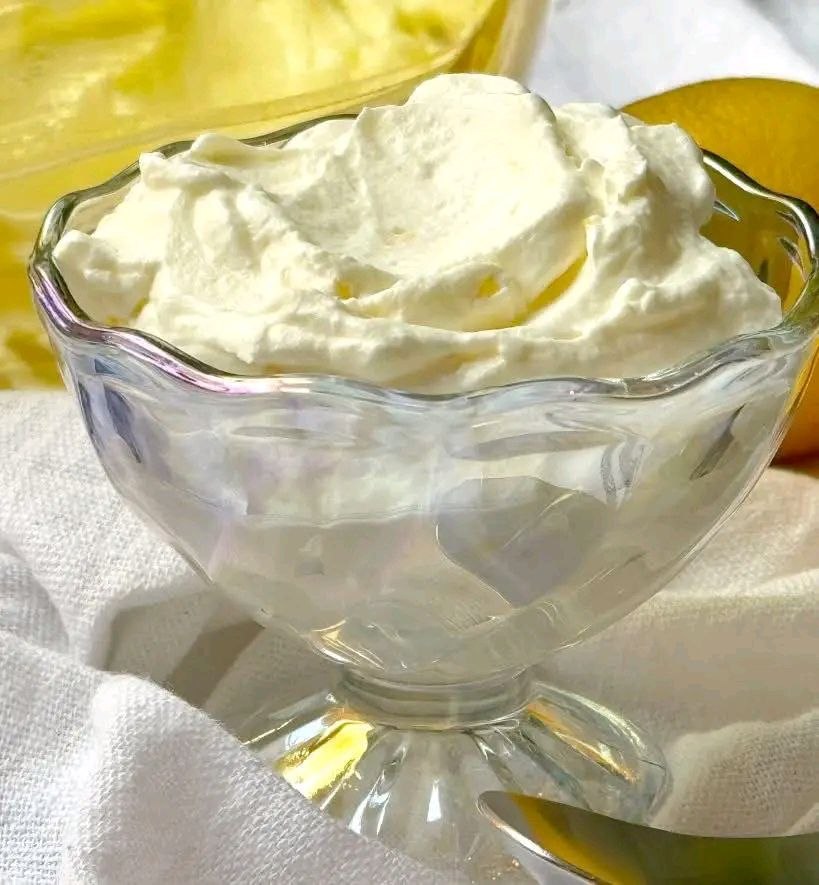
Lemon Syllabub

Introduction
Step into a world of refreshing elegance with Lemon Syllabub, a classic English dessert that whispers of sunshine and sophistication. This delightful treat is a testament to culinary simplicity, combining the vibrant zest of lemon with the luxurious creaminess of whipped cream, often kissed with a hint of sweetness and sometimes a whisper of wine. It’s a dessert that transcends seasons, equally at home on a summer picnic blanket as it is gracing a festive holiday table, offering a light and palate-cleansing finish to any meal.
What makes Lemon Syllabub truly special is its unique texture and bright, invigorating flavor profile. Unlike heavy puddings or rich cakes, syllabub is airy, frothy, and remarkably refreshing. The magic lies in the subtle interaction between the acidic lemon juice and the cold cream, which gently thickens the mixture without requiring any cooking or setting agents like gelatin. This creates a delicate, almost mousse-like consistency that melts in your mouth, leaving behind a delightful burst of citrus. Its historical roots trace back centuries, making it a dessert with a story, evoking images of grand country estates and leisurely afternoon teas.
Beyond its historical charm and exquisite taste, Lemon Syllabub is also incredibly approachable for the home cook. With just a handful of readily available ingredients and a little whisking, you can conjure up this impressive dessert in no time. It requires no baking, no complex techniques, and minimal fuss, yet yields a result that tastes utterly gourmet. Whether you’re an experienced baker or a novice in the kitchen, preparing Lemon Syllabub is a rewarding experience that promises a truly delightful reward.
Nutritional Information
Per serving (approximate values):
- Calories: 350
- Protein: 2g
- Carbohydrates: 25g
- Fat: 28g
- Fiber: 0g
- Sodium: 20mg
Ingredients
- 2 cups (480ml) heavy cream (or double cream), very cold
- 1/2 cup (100g) granulated sugar (or caster sugar for finer texture)
- Zest of 2 large lemons
- 1/4 cup (60ml) fresh lemon juice (from 1-2 lemons, depending on size)
- 2 tablespoons (30ml) sweet white wine (such as Moscato or dessert wine) or sherry (optional, but traditional)
- Pinch of salt
- Fresh berries or lemon slices for garnish (optional)
- Shortbread cookies or delicate biscuits for serving (optional)
Instructions
- Prepare Your Equipment: Before you begin, ensure your mixing bowl (preferably metal or glass) and whisk attachments (if using an electric mixer) are thoroughly chilled. Place them in the freezer for at least 15-20 minutes. This crucial step helps the cream whip up more quickly and achieve a better, more stable volume.
- Zest the Lemons: Using a fine grater or microplane, carefully zest both lemons, being careful to only remove the bright yellow outer layer and avoid the bitter white pith underneath. Place the lemon zest into your chilled mixing bowl.
- Juice the Lemons: Halve the zested lemons and squeeze out the fresh juice. Strain the juice through a fine-mesh sieve to remove any seeds or pulp. Measure out 1/4 cup (60ml) of the strained lemon juice and set aside.
- Combine Sweetener and Flavorings: To the chilled bowl with the lemon zest, add the granulated sugar, the measured lemon juice, the sweet white wine or sherry (if using), and a tiny pinch of salt. Stir these ingredients together briefly with a spoon until the sugar begins to dissolve. This step allows the lemon zest to infuse its aromatic oils into the sugar and liquid, deepening the flavor.
- Add the Cream: Pour the very cold heavy cream into the bowl with the lemon mixture. Ensure the cream is straight from the refrigerator, as cold cream whips best.
- Whip the Syllabub: Using an electric mixer (handheld or stand mixer with a whisk attachment) on medium-high speed, begin to whip the mixture. If whipping by hand, use a balloon whisk with vigorous circular motions. Continue whipping for 3-5 minutes, or until the mixture thickens significantly and holds soft peaks. The acid from the lemon juice will help to gently thicken the cream, giving it a light, airy, and slightly frothy consistency. Be careful not to over-whip, as you don’t want it to become too stiff like regular whipped cream; a soft, billowy texture is ideal for syllabub.
- Taste and Adjust: Once the desired consistency is reached, taste the syllabub. Depending on your preference and the tartness of your lemons, you might want to add a tiny bit more sugar or a touch more lemon juice. Stir gently to incorporate any adjustments.
- Chill Thoroughly: Ladle or spoon the Lemon Syllabub into individual serving glasses, small bowls, or ramekins. Cover them loosely with plastic wrap and refrigerate for at least 2-4 hours, or ideally overnight. Chilling is essential for the flavors to meld and for the syllabub to set further into its characteristic delicate, creamy texture.
- Serve and Garnish: Before serving, you can garnish the syllabub with a few fresh berries (raspberries, blueberries, or sliced strawberries work wonderfully), a delicate curl of lemon zest, or a thin lemon slice. Serve chilled, perhaps alongside some crisp shortbread cookies or delicate almond biscuits for an added touch of elegance.
Cooking Tips and Variations
For the best Lemon Syllabub, start with the coldest possible heavy cream. Chilling your mixing bowl and whisk attachments in the freezer for 15-20 minutes before you begin will significantly help the cream whip faster and achieve maximum volume and stability. When zesting lemons, always use a fine grater or microplane and be sure to only remove the bright yellow outer layer, avoiding the bitter white pith, which can impart an unpleasant taste to your dessert. Freshly squeezed lemon juice is non-negotiable here; bottled juice simply won’t deliver the same vibrant, authentic flavor. When whipping, aim for soft peaks – the mixture should be thick and hold its shape but still appear light and airy, not stiff like fully whipped cream. Over-whipping can lead to a grainy texture.
To enhance the lemon flavor even further, you can let the lemon zest macerate with the sugar for about 15-30 minutes before adding the liquid ingredients and cream. This allows the oils from the zest to infuse more deeply into the sugar. For a truly classic touch, don’t skip the sweet white wine or sherry; it adds a subtle depth and complexity that elevates the syllabub beyond just lemon and cream. However, if you prefer an alcohol-free version, simply omit it or replace it with an equal amount of lemon juice or even a tablespoon of orange blossom water for a floral hint.
This recipe is highly adaptable. While lemon is traditional, you can easily create other citrus syllabubs. Try using lime juice and zest for a tangy twist, or orange juice and zest for a sweeter, more aromatic version. For a floral note, consider adding a teaspoon of elderflower cordial along with the lemon. You can also experiment with different sweeteners; while granulated or caster sugar is standard, a touch of honey or maple syrup could be used for a different flavor profile, though it might slightly alter the texture. For an extra layer of decadence, fold in a tablespoon of limoncello at the end of whipping. When serving, a sprinkle of toasted slivered almonds or finely chopped pistachios can add a delightful textural contrast and visual appeal.
Storage and Reheating
Lemon Syllabub is best enjoyed fresh, ideally within 24-48 hours of preparation, as its delicate, airy texture is at its peak. To store, transfer the syllabub into individual serving dishes or a single airtight container. Cover the dishes tightly with plastic wrap or a lid to prevent it from absorbing odors from the refrigerator and to maintain its freshness. Store it in the coldest part of your refrigerator. While it will keep for up to 3 days, you might notice a slight reduction in its airy volume and a subtle change in texture after the first day. The flavors, however, often deepen and meld beautifully overnight.
Due to its whipped cream base and delicate structure, Lemon Syllabub does not reheat well and should always be served chilled. Attempting to reheat it would cause the cream to separate and the airy texture to collapse, resulting in an unappetizing, curdled mess. Therefore, reheating is not recommended for this dessert. Similarly, freezing Lemon Syllabub is not advisable. The freezing and thawing process would destroy the delicate emulsion and texture, causing the cream to become watery and grainy. If you have leftovers, enjoy them cold from the refrigerator.
When preparing for a gathering, it’s best to assemble the syllabub within a day of serving. This allows ample chilling time for the flavors to develop and the texture to set, ensuring your guests experience it at its finest. If you anticipate having leftovers, consider making smaller individual portions to minimize waste and ensure each serving is enjoyed at its freshest and most delightful state.
Frequently Asked Questions
What is the difference between Lemon Syllabub and Lemon Mousse?
While both are light, lemon-flavored desserts, their preparation and texture differ significantly. Lemon Syllabub relies on the acid from lemon juice to subtly thicken whipped cream, creating a frothy, airy, and delicately set consistency without any gelling agents. Lemon Mousse, on the other hand, typically uses gelatin, egg whites, or both, to create a more stable, firmer, and often richer texture that holds its shape more definitively. Syllabub is generally simpler to make with fewer ingredients.
Can I make Lemon Syllabub ahead of time for a party?
Absolutely! Lemon Syllabub is an excellent make-ahead dessert. In fact, it benefits greatly from being prepared several hours in advance or even the day before you plan to serve it. This allows ample time for the flavors to meld and deepen, and for the texture to set perfectly in the refrigerator. Just be sure to cover it tightly with plastic wrap to prevent it from absorbing any refrigerator odors and to maintain its fresh, delicate consistency.
Why did my syllabub not thicken properly?
There are a few common reasons why your syllabub might not thicken as expected. The most frequent culprit is not using cold enough cream, bowl, and whisk. Cold temperatures are crucial for cream to whip effectively. Another reason could be insufficient whipping time – you need to whip until soft peaks form, where the mixture holds its shape but is still light and airy. Conversely, over-whipping can also be an issue, leading to a grainy texture instead of a smooth one. Finally, ensure you’re using heavy cream (or double cream) with a high enough fat content; lighter creams may not thicken sufficiently for syllabub.
Can I make this recipe without alcohol?
Yes, you can absolutely make Lemon Syllabub without alcohol. While sweet white wine or sherry is a traditional ingredient that adds a lovely depth of flavor, it is entirely optional. If you prefer to omit it, simply leave it out of the recipe. You can replace the two tablespoons of wine with an additional tablespoon of fresh lemon juice for more tang, or a tablespoon of water, or even a very small splash of orange blossom water or vanilla extract to add a different aromatic note, though the traditional essence is best preserved with just the lemon and cream.