
Follow Me On Social Media!
Scientific Look at Oregano’s Role in Supporting Wellness

Introduction
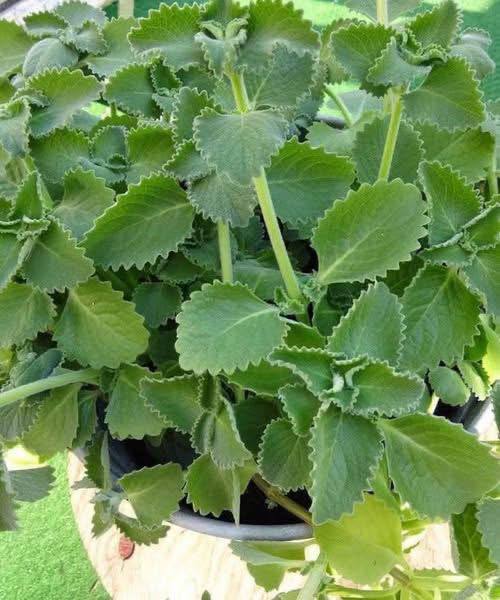
In the expansive world of culinary herbs, the term “oregano” often conjures images of Mediterranean dishes and a familiar, pungent aroma. However, as we delve deeper into nature’s pantry, we discover a fascinating array of plants that share the “oregano” moniker, each with its own unique flavor profile and a rich history of traditional use. The verdant, fuzzy-leaved plant pictured here, often known as Cuban Oregano, Indian Borage, Mexican Mint, or Spanish Thyme (*Plectranthus amboinicus*), is a prime example of this botanical diversity. While not a true oregano from the *Origanum* genus, its strong, camphoraceous scent and robust flavor have earned it a cherished place in many global cuisines and traditional wellness practices.
This particular “oregano” stands out not just for its ease of cultivation, making it a favorite among home gardeners, but also for its impressive array of bioactive compounds. For centuries, various cultures have intuitively understood its potent qualities, incorporating it into remedies for respiratory ailments, digestive issues, and as a general tonic. Modern scientific inquiry is now beginning to unravel the chemical secrets behind these traditional applications, revealing a plant rich in compounds known for their antioxidant, anti-inflammatory, and antimicrobial properties. This article aims to bridge the gap between ancient wisdom and contemporary science, exploring how this remarkable herb can contribute to a holistic approach to wellness.
Our journey will take us from the plant’s distinct botanical identity to its key chemical constituents, then through its versatile culinary applications, and finally, touch upon its broader traditional uses. By understanding the science behind its traditional roles, we can better appreciate how incorporating this fragrant herb into our daily lives, whether through cooking or simple herbal preparations, can be a flavorful and beneficial step towards supporting overall health. It’s a testament to nature’s pharmacy, readily available for us to explore and enjoy.
Nutritional Information
Per serving (approximate values for a typical serving of a dish using 1-2 fresh leaves):
- Calories: 2
- Protein: 0.1g
- Carbohydrates: 0.4g
- Fat: 0.02g
- Fiber: 0.2g
- Sodium: 0.5mg
Ingredients
- 1 cup fresh Cuban Oregano (Plectranthus amboinicus) leaves, gently rinsed and patted dry
- 2 tablespoons extra virgin olive oil
- 1 tablespoon fresh lime juice
- 1 clove garlic, minced (optional)
- 1/4 teaspoon sea salt
- Pinch of black pepper
- (Optional for a stronger infusion) 1 cup hot water for tea
Instructions
- Prepare the Cuban Oregano: Carefully pluck the fresh leaves from the stems. Gently rinse them under cool water to remove any dust or debris. Pat them thoroughly dry with a clean kitchen towel or paper towels. It’s important to remove excess moisture to ensure better flavor and texture in your preparations.
- For a Simple Herb Infusion (Tea): If making a soothing tea, place 2-3 fresh Cuban Oregano leaves into a mug. Pour 1 cup of hot (not boiling) water over the leaves. Let it steep for 5-7 minutes. Strain the leaves if desired, or leave them in for a stronger infusion. Add a squeeze of lime or a touch of honey if you prefer. This method is excellent for extracting the water-soluble compounds and enjoying its aromatic benefits.
- For a Flavorful Herb Marinade/Dressing: For culinary applications, finely chop the cleaned and dried Cuban Oregano leaves. Due to their strong flavor, a fine chop helps distribute the intensity evenly.
- In a small bowl, combine the finely chopped Cuban Oregano leaves, 2 tablespoons of extra virgin olive oil, 1 tablespoon of fresh lime juice, the minced garlic (if using), 1/4 teaspoon of sea salt, and a pinch of black pepper.
- Whisk all ingredients together until well combined. Allow the mixture to sit for at least 10-15 minutes at room temperature to allow the flavors to meld and the herb’s essential oils to infuse into the oil.
- Using the Marinade/Dressing: This versatile blend can be used in several ways. It makes an excellent marinade for chicken, fish, or pork. Simply coat your protein with the mixture and let it marinate for at least 30 minutes, or up to a few hours in the refrigerator.
- Alternatively, drizzle this herb mixture over roasted vegetables, grilled corn, or a fresh salad for an aromatic boost. It can also be stirred into soups or stews during the last few minutes of cooking to brighten the flavor.
- Incorporating into Cooked Dishes: When adding Cuban Oregano to cooked dishes like stews, beans, or stir-fries, it’s generally best to add it towards the end of the cooking process. This helps preserve its delicate essential oils and vibrant flavor, which can diminish with prolonged heat. Finely chop 1-2 leaves per serving and stir them in during the last 5-10 minutes of cooking.
- Garnish: For a fresh, aromatic garnish, finely chiffonade a few leaves and sprinkle over finished dishes just before serving. This adds a visual appeal and a burst of fresh flavor.
Cooking Tips and Variations
Use Sparingly: The most crucial tip for Cuban Oregano is to use it with caution! Its flavor is significantly more potent and camphoraceous than common oregano. Start with a small amount (e.g., half a leaf, finely chopped) and taste before adding more. You can always add, but you can’t take away.
Fresh is Best: This herb truly shines when used fresh. While it can be dried, the drying process significantly alters its complex flavor, often making it less desirable and losing some of its volatile compounds. For optimal wellness benefits and taste, prioritize fresh leaves.
Add Towards the End of Cooking: To preserve the delicate essential oils and vibrant flavor of Cuban Oregano, incorporate it into cooked dishes during the last 5-10 minutes of simmering or roasting. Prolonged heat can diminish its aromatic qualities.
Bruise for More Flavor: If you want a more immediate and intense release of flavor, gently bruise or crush the leaves slightly before adding them to a dish or steeping them for tea. This helps break down the cell walls and release the essential oils.
Flavor Pairings: Cuban Oregano pairs exceptionally well with robust flavors. Think roasted meats (especially pork and chicken), black beans, hearty stews, tomato-based sauces, and root vegetables. It can also complement seafood, particularly in Caribbean or Latin American-inspired dishes.
Marinades and Rubs: Its strong flavor makes it an excellent addition to marinades for meats and poultry. Combine finely chopped leaves with olive oil, citrus juice (lime or orange), garlic, and chili for a vibrant, tenderizing marinade. It can also be finely chopped and mixed into dry rubs.
Herbal Tea for Wellness: A simple infusion of 2-3 fresh leaves in hot water can be a soothing remedy for coughs, colds, and sore throats, a traditional use in many cultures. Add a slice of ginger and a spoonful of honey for enhanced benefits and flavor.
Infused Oils and Vinegars: For a longer-lasting way to enjoy its flavor, infuse fresh Cuban Oregano leaves in olive oil or white wine vinegar. Gently bruise the leaves, place them in a clean bottle, and cover with oil or vinegar. Let it steep in a cool, dark place for 1-2 weeks, then strain. Use these infused liquids in dressings, drizzles, or for sautéing.
Stuffings and Fillings: The strong flavor of Cuban Oregano can cut through rich ingredients, making it a fantastic addition to stuffings for poultry, empanada fillings, or savory pastries. Chop it very finely and mix it thoroughly.
Avoid Overcooking: If you’re using it in a sauté, add it near the end of the process to prevent it from becoming bitter or losing its aromatic punch.
Growing Your Own: This plant is incredibly easy to grow, even in pots. It prefers well-drained soil and partial to full sun. It’s drought-tolerant and can be easily propagated from cuttings, ensuring a constant supply of fresh leaves for your culinary and wellness needs.
Storage and Reheating
Storing Fresh Cuban Oregano Leaves:
- Short-Term (1-2 weeks): To keep fresh leaves vibrant, wrap them loosely in a damp paper towel and place them in a resealable plastic bag or an airtight container. Store this in the crisper drawer of your refrigerator. Ensure the paper towel remains slightly damp but not soaking wet.
- Longer-Term (Not Recommended for Best Flavor): While it’s possible to freeze Cuban Oregano, it’s generally not recommended for culinary use where its fresh, aromatic profile is desired. Freezing can alter the texture and diminish the volatile essential oils that give it its distinctive flavor. If you must freeze, you can chop the leaves and freeze them in ice cube trays with a little olive oil or water.
- Drying: As mentioned, drying significantly changes the flavor profile of Cuban Oreano. If you choose to dry it, hang small bunches upside down in a warm, dark, well-ventilated area until completely brittle. Store dried leaves in an airtight container away from light and heat. Use dried leaves in even smaller quantities than fresh.
Storing Dishes Containing Cuban Oregano:
- Refrigeration: Any dish prepared with Cuban Oregano, such as stews, marinades, or sauces, should be stored in an airtight container in the refrigerator. It will typically last for 3-4 days, similar to most cooked foods.
- Freezing Cooked Dishes: Dishes that freeze well (like stews, soups, or marinated meats) will generally retain their flavor, though the intensity of the Cuban Oregano might mellow slightly upon thawing and reheating. Ensure the dish is completely cooled before transferring to freezer-safe containers. Label with the date.
Reheating Dishes Containing Cuban Oregano:
- Soups and Stews: Reheat gently on the stovetop over medium-low heat, stirring occasionally, until heated through. Alternatively, microwave in short intervals, stirring between each, until hot.
- Marinated Meats/Poultry: If the meat was cooked after marinating, reheat according to the original cooking method (e.g., in the oven, on the stovetop) until warmed through. Be careful not to overcook and dry out the protein.
- Sauces: Reheat sauces gently on the stovetop, stirring frequently to prevent scorching, until simmering.
- General Tip: When reheating, if you feel the Cuban Oregano flavor has diminished, you can always chop a tiny bit of fresh leaf and stir it in during the last minute of reheating for a fresh burst of aroma.
Frequently Asked Questions
What is the difference between Cuban Oregano and regular oregano?
The primary difference is botanical. “Regular” or common oregano typically refers to *Origanum vulgare*, a member of the mint family (*Lamiaceae*) native to the Mediterranean. Cuban Oregano, on the other hand, is *Plectranthus amboinicus*, from a different genus within the same family. While both are aromatic herbs with culinary and medicinal uses, Cuban Oregano has a much stronger, more pungent, and often camphoraceous flavor profile compared to the milder, earthier, and slightly peppery taste of common oregano. Its leaves are also thicker, fleshier, and often fuzzy.
Can I substitute Cuban Oregano for regular oregano in recipes?
While you *can* substitute, it’s crucial to do so with extreme caution and in much smaller quantities. Cuban Oregano’s intense flavor can easily overpower a dish if used in the same amount as common oregano. For every teaspoon of regular oregano called for, start with just a tiny pinch (about 1/8 to 1/4 teaspoon, finely chopped) of fresh Cuban Oregano, taste, and adjust as needed. It’s often best used in dishes where its strong flavor is intended to be a central note, rather than a subtle background.
What are the main health benefits associated with Cuban Oregano?
Cuban Oregano has been traditionally used for a variety of wellness purposes, and modern research is exploring its bioactive compounds. It is rich in essential oils like carvacrol, thymol, and camphor, as well as phenolic compounds and flavonoids. These compounds contribute to its recognized antioxidant properties, which help combat free radicals; anti-inflammatory effects, potentially reducing swelling and pain; and antimicrobial activity, showing promise against various bacteria and fungi. It’s often used in traditional remedies for respiratory conditions like coughs, colds, and sore throats, and for digestive issues.
How can I grow Cuban Oregano at home?
Cuban Oregano is an incredibly easy and rewarding plant to grow, even for novice gardeners. It thrives in warm climates and can be grown in pots or directly in the ground. It prefers well-drained soil and enjoys full sun to partial shade. The easiest way to propagate it is from cuttings: simply snip a stem about 4-6 inches long, remove the bottom leaves, and place it directly into moist soil or a glass of water. Roots will typically form within a week or two. It’s a relatively low-maintenance plant, requiring infrequent watering once established and occasional pruning to encourage bushier growth.