Follow Me On Social Media!
Search Results for Melt in your Mouth Recipe

Introduction
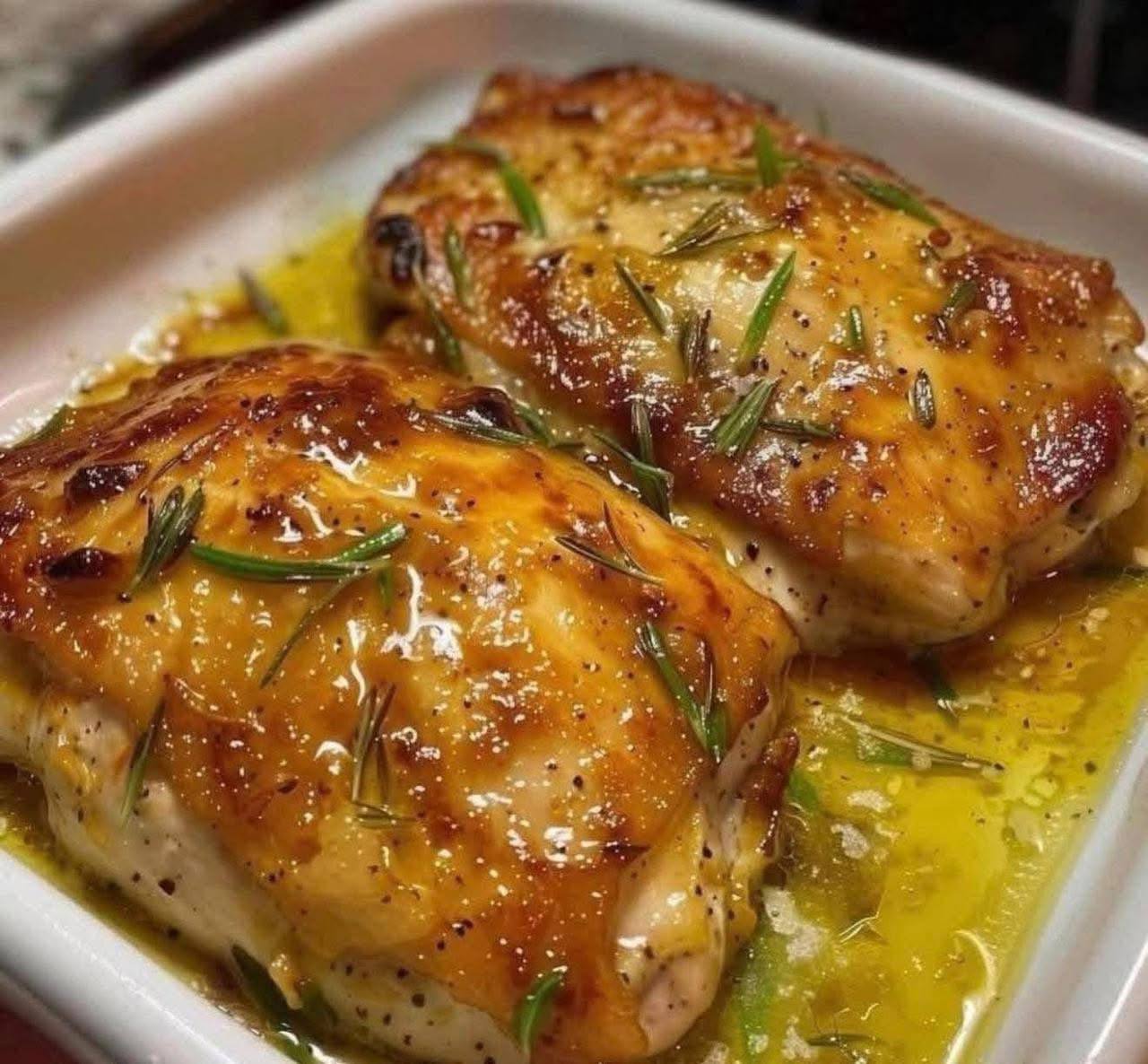
Prepare to be enchanted by a culinary masterpiece that lives up to its name: “Melt-in-Your-Mouth Glazed Rosemary Chicken.” Imagine tender, succulent chicken breasts, kissed with a golden, aromatic glaze that shimmers under the light, each bite a symphony of savory, sweet, and herbaceous notes. This isn’t just another chicken recipe; it’s an experience, transforming a humble weeknight staple into an elegant dish that’s deceptively easy to achieve. The magic lies in the perfect balance of flavors and a cooking technique that ensures every morsel is unbelievably juicy and infused with rich taste.
What makes this particular recipe “melt-in-your-mouth”? It’s a combination of careful preparation, the strategic use of a vibrant rosemary-infused glaze, and precise cooking that locks in moisture. We start with properly seasoned chicken, then bathe it in a glorious mixture that caramelizes beautifully in the oven, creating a sticky, savory crust. The fresh rosemary isn’t just a garnish; its piney, fragrant essence permeates the chicken, elevating the entire dish from ordinary to extraordinary. Whether you’re a seasoned home cook or just starting your culinary journey, this recipe promises a triumph of flavor and texture that will impress everyone at your table.
This Glazed Rosemary Chicken is more than just delicious; it’s versatile. It’s perfect for a quick and satisfying weeknight dinner, yet elegant enough to grace your table for special occasions or entertaining guests. The aroma alone as it bakes will draw everyone to the kitchen, promising a meal that’s both comforting and sophisticated. Get ready to discover your new favorite chicken recipe – one that truly delivers on its promise of melt-in-your-mouth perfection with every single bite.
Nutritional Information
Per serving (approximate values):
- Calories: 420
- Protein: 45g
- Carbohydrates: 15g
- Fat: 20g
- Fiber: 1g
- Sodium: 650mg
Ingredients
- 4 boneless, skinless chicken breasts (about 6-8 ounces each)
- 2 tablespoons olive oil, divided
- 1 teaspoon salt
- 1/2 teaspoon freshly ground black pepper
- 1/4 cup honey
- 2 tablespoons Dijon mustard
- 1 tablespoon apple cider vinegar
- 1 tablespoon fresh rosemary, finely chopped, plus 4-5 sprigs for garnish/infusion
- 1/2 cup chicken broth (low sodium preferred)
- 1 tablespoon unsalted butter
- 1 clove garlic, minced (optional, but highly recommended)
Instructions
- Prepare the Chicken: Preheat your oven to 400°F (200°C). Pat the chicken breasts thoroughly dry with paper towels. This step is crucial for achieving a beautiful golden-brown sear and allowing the glaze to adhere properly. Season both sides of the chicken generously with salt and black pepper.
- Sear the Chicken (Optional but Recommended): Heat 1 tablespoon of olive oil in a large oven-safe skillet (cast iron works wonderfully) over medium-high heat. Once the oil is shimmering, carefully place the seasoned chicken breasts in the hot skillet. Sear for 2-3 minutes per side, until golden brown. This step adds depth of flavor and helps create a more appealing texture. If you don’t have an oven-safe skillet, you can sear in a regular skillet and then transfer to a baking dish.
- Prepare the Glaze: In a small bowl, whisk together the honey, Dijon mustard, apple cider vinegar, and finely chopped fresh rosemary. If using, add the minced garlic to the glaze mixture.
- Arrange for Baking: If you seared the chicken in an oven-safe skillet, you can proceed directly. If using a baking dish, transfer the seared chicken breasts to the dish. Pour the chicken broth around the chicken.
- Glaze and Bake: Spoon about half of the prepared honey-rosemary glaze evenly over the top of each chicken breast. Place the rosemary sprigs among the chicken in the dish.
- Bake the Chicken: Transfer the skillet or baking dish to the preheated oven. Bake for 15 minutes.
- Baste and Continue Baking: After 15 minutes, remove the chicken from the oven. Carefully spoon the pan juices and remaining glaze over the chicken breasts. Return to the oven and continue baking for another 10-15 minutes, or until the internal temperature of the thickest part of the chicken reaches 165°F (74°C) when measured with an instant-read thermometer. The glaze should be beautifully caramelized and sticky, and the chicken should be deeply golden.
- Finish with Butter (Optional): For an extra rich finish, remove the chicken from the oven. Stir the tablespoon of unsalted butter into the pan juices until melted and fully incorporated. This enriches the sauce significantly.
- Rest the Chicken: Transfer the cooked chicken breasts to a cutting board or serving platter. Tent loosely with aluminum foil and let them rest for 5-10 minutes. This resting period is absolutely essential as it allows the juices to redistribute throughout the meat, ensuring incredibly moist and tender, melt-in-your-mouth chicken.
- Serve: Spoon the glorious pan sauce generously over the rested chicken breasts before serving. Garnish with fresh rosemary sprigs, if desired.
Cooking Tips and Variations
To truly achieve that melt-in-your-mouth texture and ensure a perfect outcome every time, attention to a few key details makes all the difference. Firstly, always start by patting your chicken breasts completely dry with paper towels. Excess moisture on the surface prevents proper browning and can hinder the glaze from adhering and caramelizing beautifully. Think of it as creating a blank canvas for flavor. When searing, don’t overcrowd your pan; give each piece of chicken space to breathe. Overcrowding lowers the pan’s temperature and steams the chicken instead of searing it, resulting in a less desirable texture and color. If necessary, sear in batches. For the best flavor, use fresh rosemary. While dried can be substituted in a pinch (use about 1 teaspoon for every tablespoon of fresh), the vibrant, piney aroma of fresh rosemary is unparalleled and truly shines in this dish.
Monitoring the internal temperature of your chicken is paramount for both food safety and achieving optimal juiciness. Invest in an instant-read thermometer and aim for 165°F (74°C) in the thickest part of the breast. Overcooked chicken is dry chicken, and we’re aiming for melt-in-your-mouth tenderness! Basting is another secret weapon here. Regularly spooning the glorious pan juices and glaze over the chicken during the baking process not only keeps it moist but also builds layers of flavor and helps achieve that irresistible, sticky, caramelized crust. Don’t skip the resting step after cooking. As tempting as it is to dive right in, letting the chicken rest for 5-10 minutes, tented loosely with foil, allows the muscle fibers to relax and reabsorb the juices, guaranteeing a more succulent result. This simple step is critical for truly “melt-in-your-mouth” chicken.
The beauty of this Glazed Rosemary Chicken recipe also lies in its adaptability. While the honey-Dijon-rosemary combination is exquisite, feel free to experiment with other flavor profiles. For a citrusy twist, add 1-2 tablespoons of fresh orange or lemon juice to the glaze, or include a few thin slices of orange/lemon in the baking dish. If you enjoy a bit of heat, a pinch of red pepper flakes in the glaze adds a subtle kick. For a sweeter, fruitier glaze, consider replacing part of the honey with apricot preserves or orange marmalade. You can also swap out rosemary for other fresh herbs like thyme or sage, or a combination of them. To make it a one-pan meal, add quick-cooking vegetables like asparagus, green beans, or cherry tomatoes to the baking dish during the last 15-20 minutes of cooking. Just ensure they are tossed with a little olive oil, salt, and pepper first.
For those who prefer different cuts of chicken, this glaze works wonderfully on bone-in, skin-on chicken thighs. The cooking time will need to be adjusted, typically longer (around 30-40 minutes), but the skin will crisp up beautifully, absorbing all that delicious glaze. If you’re using skin-on chicken, patting the skin extra dry is even more important for maximum crispiness. You can also prepare this recipe with chicken tenders, significantly reducing the cooking time to about 10-15 minutes total. Just be sure to watch them closely to avoid overcooking. Serving suggestions are abundant: this chicken pairs magnificently with creamy mashed potatoes, fluffy rice, roasted root vegetables, a light quinoa salad, or a simple green salad with a vinaigrette. For a delightful beverage pairing, a crisp Sauvignon Blanc or a light-bodied Pinot Noir would complement the flavors beautifully.
Storage and Reheating
Properly storing and reheating your Glazed Rosemary Chicken ensures that you can enjoy its deliciousness for days to come. Once the chicken has cooled completely, transfer any leftover chicken breasts and the pan sauce to an airtight container. Refrigerate promptly within two hours of cooking. The chicken will keep well in the refrigerator for up to 3-4 days. To freeze, place the cooled chicken and sauce in a freezer-safe airtight container or heavy-duty freezer bag. It can be frozen for up to 2-3 months. Thaw frozen chicken overnight in the refrigerator before reheating.
When reheating, the goal is to warm the chicken through without drying it out, preserving that melt-in-your-mouth texture. The best method for reheating is gently in the oven or on the stovetop. For oven reheating, preheat your oven to 325°F (160°C). Place the chicken breasts in an oven-safe dish with a little extra chicken broth or water (about 1-2 tablespoons) and cover tightly with aluminum foil. This helps to create steam and prevent drying. Reheat for 15-20 minutes, or until warmed through, removing the foil for the last few minutes if you want to crisp up the glaze slightly. For stovetop reheating, place the chicken and sauce in a skillet over medium-low heat. Add a splash of chicken broth or water if the sauce is too thick. Cover and cook gently, flipping occasionally, until heated through. Avoid using a microwave for reheating if possible, as it can often lead to rubbery, dry chicken, especially with breast meat. If you must use a microwave, reheat in short bursts (30-60 seconds) on a lower power setting, checking frequently and adding a teaspoon of water or broth to the dish to help retain moisture.
Frequently Asked Questions
Can I use bone-in, skin-on chicken breasts for this recipe?
Yes, absolutely! Bone-in, skin-on chicken breasts will work beautifully with this glaze. The cooking time will be longer, typically around 30-40 minutes, depending on their size. Ensure the internal temperature reaches 165°F (74°C). The skin will crisp up nicely and absorb all the delicious glaze, adding even more flavor and texture.
What if I don’t have fresh rosemary? Can I use dried?
While fresh rosemary provides the best flavor, you can substitute dried rosemary if necessary. Use about 1 teaspoon of dried rosemary for every tablespoon of fresh rosemary called for in the recipe. Crush the dried rosemary between your fingers before adding it to help release its oils and flavor.
My glaze isn’t thickening. What should I do?
If your glaze isn’t thickening as much as you’d like, you can remove the chicken from the pan once cooked and tent it with foil. Place the pan with the remaining sauce over medium-high heat on the stovetop and bring it to a simmer. Let it gently reduce for a few minutes, stirring occasionally, until it reaches your desired consistency. Be careful not to reduce it too much, as it will thicken further as it cools.
Can I prepare the glaze ahead of time?
Yes, you can definitely prepare the honey-Dijon-rosemary glaze up to 2-3 days in advance. Store it in an airtight container in the refrigerator. When you’re ready to cook, simply take it out of the fridge and allow it to come to room temperature for about 15-20 minutes, or gently warm it slightly, to ensure it’s easy to spoon and baste.