Follow Me On Social Media!
Search Results for Spanakopita

Search Results for Spanakopita
Introduction
There’s something truly magical about Spanakopita. Imagine a golden, flaky pastry, so delicate it shatters with every bite, revealing a creamy, savory filling of vibrant spinach and tangy feta cheese. This isn’t just a dish; it’s an experience, a culinary journey to the sun-drenched shores of Greece, right from your own kitchen. Spanakopita, a beloved classic of Greek cuisine, is more than just a savory pie; it’s a testament to simple, wholesome ingredients coming together to create something extraordinary.
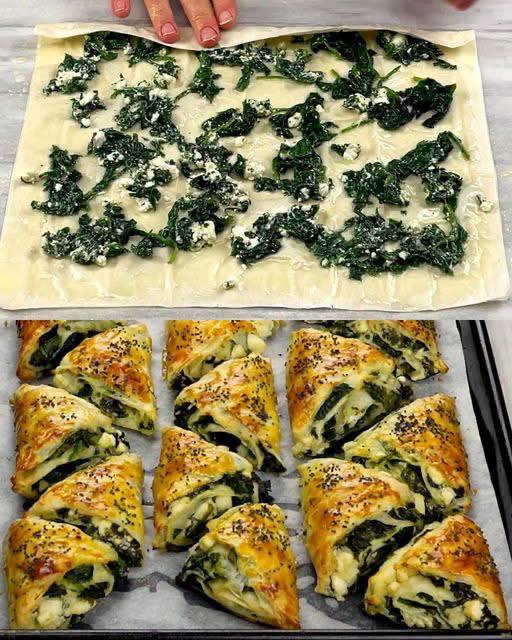
This recipe focuses on crafting individual Spanakopita triangles, perfect for appetizers, a delightful snack, or a light meal. Their convenient size and irresistible flavor make them an absolute crowd-pleaser, ideal for entertaining or simply treating yourself. Whether you’re a seasoned chef or a curious beginner, this guide will walk you through the process of creating these delectable bites, ensuring a crispy phyllo exterior and a rich, tender interior that will have everyone asking for more.
What sets this recipe apart is its emphasis on ease without compromising on authentic flavor. We’ll dive into the secrets of working with delicate phyllo dough, mastering the art of a perfectly balanced spinach and feta filling, and achieving that coveted golden-brown crispness. Get ready to impress your taste buds and your guests with these homemade Greek delights, versatile enough for any occasion and guaranteed to bring a touch of Mediterranean charm to your table.
Nutritional Information
Per serving (approximate values for one large triangle):
- Calories: 210
- Protein: 9g
- Carbohydrates: 18g
- Fat: 11g
- Fiber: 2g
- Sodium: 380mg
Ingredients
- 1 pound (450g) fresh spinach, or 10 ounces (280g) frozen chopped spinach, thawed
- 1 tablespoon olive oil
- 1 large yellow onion, finely chopped
- 2 cloves garlic, minced
- 1/2 cup fresh parsley, finely chopped
- 1/4 cup fresh dill, finely chopped
- 1/4 cup fresh mint, finely chopped (optional, but highly recommended)
- 10 ounces (280g) feta cheese, crumbled
- 1 large egg, lightly beaten
- 1/4 teaspoon freshly ground black pepper
- Pinch of nutmeg (optional)
- 16 ounces (450g) phyllo dough (about 20-24 sheets), thawed according to package directions
- 1/2 cup (1 stick) unsalted butter, melted, or 1/2 cup olive oil
- 1 egg, whisked with 1 tablespoon water (for egg wash)
- 1 tablespoon sesame seeds or nigella seeds (optional, for topping)
Instructions
- If using fresh spinach, wash thoroughly and coarsely chop. If using frozen, thaw completely and squeeze out as much excess water as possible using a clean kitchen towel or cheesecloth. This step is crucial for preventing a soggy filling.
- Heat 1 tablespoon of olive oil in a large skillet or pot over medium heat. Add the chopped onion and sauté until softened and translucent, about 5-7 minutes. Add the minced garlic and cook for another minute until fragrant.
- Add the fresh or drained spinach to the skillet. Cook, stirring frequently, until all the moisture has evaporated and the spinach has wilted down considerably. Remove from heat and let it cool slightly.
- In a large bowl, combine the cooled spinach mixture, crumbled feta cheese, 1 lightly beaten egg, chopped parsley, dill, mint (if using), black pepper, and nutmeg (if using). Mix well to ensure all ingredients are evenly distributed. Taste and adjust seasoning if necessary (feta is salty, so you might not need extra salt).
- Prepare your workstation: Have your phyllo dough, melted butter/oil, and a damp clean kitchen towel ready. Unroll the phyllo dough and immediately cover it with the damp towel to prevent it from drying out.
- Preheat your oven to 375°F (190°C). Line a large baking sheet with parchment paper.
- Take one sheet of phyllo dough and lay it flat on a clean surface. Brush lightly with melted butter or olive oil. Place another sheet of phyllo directly on top and brush again. Repeat this process for a total of 3-4 layers of phyllo, brushing each layer.
- Cut the layered phyllo sheets lengthwise into three equal strips, each about 3-4 inches wide.
- Place a tablespoon of the spinach and feta filling at one end of a phyllo strip, about 1 inch from the corner.
- Fold the corner of the phyllo strip diagonally over the filling to form a triangle. Continue folding the triangle over and over, as if folding a flag, keeping the triangular shape as you move down the strip until you reach the end. Ensure the filling is completely enclosed.
- Place the formed Spanakopita triangle seam-side down on the prepared baking sheet.
- Repeat steps 7-11 with the remaining phyllo dough and filling. You should get approximately 20-24 triangles, depending on the size.
- Once all triangles are assembled and placed on the baking sheet, brush the tops generously with the egg wash (1 egg whisked with 1 tablespoon water). For extra crunch and flavor, sprinkle with sesame seeds or nigella seeds if desired.
- Bake for 20-25 minutes, or until the Spanakopita triangles are golden brown and crispy.
- Remove from the oven and let them cool on the baking sheet for a few minutes before serving.
Cooking Tips and Variations
Working with phyllo dough can seem intimidating at first, but with a few simple tricks, you’ll master it in no time. The most important rule is to keep it covered. Phyllo dries out incredibly fast, becoming brittle and prone to cracking. Always keep unused sheets covered with a slightly damp, clean kitchen towel while you work. When brushing, use a light hand and ensure even coverage of butter or oil for that beautiful golden crisp. Don’t be afraid to use a pastry brush generously; this is key to the flaky texture.
Squeezing excess moisture from the spinach is perhaps the most critical step for a perfect Spanakopita. If the filling is too wet, it will make the phyllo soggy and prevent it from crisping up properly. Use a clean kitchen towel or even a potato ricer for maximum dryness. The more water you remove, the better your Spanakopita will be.
For variations, consider experimenting with the cheese blend. While feta is classic, a small amount of grated Parmesan or Gruyere can add another layer of flavor. You can also play with the herbs; add a touch of fresh oregano or marjoram for a different aromatic profile. For a heartier version, some recipes include a small amount of cooked rice or bulgur in the filling, which absorbs moisture and adds texture. If you’re looking for a vegetarian twist, consider adding sautéed mushrooms or leeks to the spinach mixture. For a larger, more traditional Spanakopita, you can layer the phyllo and filling in a 9×13 inch baking dish instead of forming individual triangles. Simply layer half the phyllo, spread all the filling, then top with the remaining phyllo, scoring the top layers before baking.
Storage and Reheating
Spanakopita triangles are best enjoyed fresh from the oven when they are at their crispiest. However, if you have leftovers, they can be stored in an airtight container in the refrigerator for up to 3-4 days. To reheat, avoid the microwave, as it will make the phyllo soggy. The best way to regain that crispy texture is to reheat them in a preheated oven or toaster oven at 300-325°F (150-160°C) for about 10-15 minutes, or until thoroughly heated through and crisp again. You can also reheat them in an air fryer at 300°F (150°C) for 5-7 minutes.
For make-ahead convenience, assembled but unbaked Spanakopita triangles can be frozen. Arrange them in a single layer on a baking sheet and flash freeze until solid (about 1-2 hours). Once frozen, transfer them to a freezer-safe bag or container, separating layers with parchment paper, and store for up to 2-3 months. When ready to bake, you can bake them directly from frozen. Increase the baking time by about 5-10 minutes, or until golden brown and cooked through. It’s not recommended to freeze baked Spanakopita, as the phyllo tends to lose its texture upon thawing and reheating.
Frequently Asked Questions
Why is my phyllo dough cracking when I try to fold it?
Phyllo dough is very delicate and dries out quickly, which makes it brittle and prone to cracking. The most common reason for cracking is that the dough hasn’t been kept adequately moist. Always ensure your unused phyllo sheets are covered with a slightly damp, clean kitchen towel while you are working with individual sheets. Also, ensure the dough is fully thawed according to package directions, ideally overnight in the refrigerator, then for an hour at room temperature before use. If it’s still cracking, try brushing each sheet more generously with melted butter or oil, as this adds flexibility.
Can I use frozen spinach instead of fresh?
Yes, absolutely! Frozen spinach is a convenient and perfectly acceptable alternative. If using frozen spinach, the most important step is to thaw it completely and then squeeze out as much excess water as humanly possible. Use a clean kitchen towel, cheesecloth, or even a potato ricer to wring out the moisture. This is crucial because any leftover water will make your filling soggy and prevent the phyllo from becoming crispy. 10 ounces of frozen spinach typically yields about the same amount as 1 pound of fresh spinach once cooked and drained.
What can I do if I don’t have fresh dill or mint?
While fresh dill and mint contribute significantly to the authentic Greek flavor profile of Spanakopita, you can still make a delicious version without them. If you don’t have fresh dill, you can use about 1-2 teaspoons of dried dill, but be aware the flavor will be less vibrant. For mint, if you absolutely cannot get fresh, you can omit it. However, if you have dried mint, a very small pinch (1/4 teaspoon) can be added, but be careful as dried mint can be overpowering. Alternatively, you can increase the amount of fresh parsley, which is a key herb and will still provide a lovely fresh note to the filling.
My Spanakopita isn’t getting golden brown and crispy. What am I doing wrong?
Several factors can contribute to Spanakopita not achieving that desired golden, crispy texture. First, ensure you are brushing each layer of phyllo with enough melted butter or olive oil. This fat is essential for crispiness and color development. Second, make sure your oven is preheated to the correct temperature (375°F or 190°C) and that the triangles are baked for long enough, typically 20-25 minutes, or until deeply golden. An under-baked Spanakopita will be pale and soft. Lastly, ensure your spinach filling isn’t too wet, as excess moisture can transfer to the phyllo and prevent it from crisping up. Always squeeze out as much water as possible from your cooked spinach.