Follow Me On Social Media!
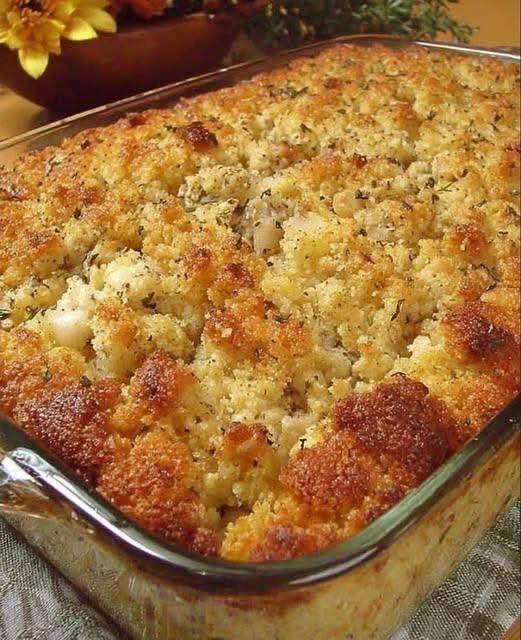
Southern style cornbread dressing or stuffing

Introduction
There are some dishes that simply define a season, a celebration, or even an entire region. In the American South, few dishes hold such a revered place as Southern-style Cornbread Dressing. Often mistakenly called “stuffing” by those outside the region (we’ll get to that friendly debate in a moment!), this savory casserole is the undisputed monarch of holiday tables, particularly Thanksgiving and Christmas. It’s more than just a side dish; it’s a culinary hug, a taste of tradition, and the very essence of comfort food.
What makes Southern cornbread dressing so utterly irresistible? It’s a symphony of textures and flavors that dance on your palate. Imagine a golden-brown, slightly crispy top giving way to an incredibly moist, deeply savory interior. Each bite is packed with the earthy goodness of crumbled cornbread, fragrant with aromatic vegetables like onions and celery, and infused with classic Southern herbs like sage and thyme. It’s hearty without being heavy, flavorful without being overwhelming, and always leaves you craving just one more spoonful. This isn’t just about feeding your body; it’s about feeding your soul with a dish steeped in history and warmth.
Whether nestled beside a perfectly roasted turkey, alongside a glazed ham, or simply enjoyed on its own, Southern cornbread dressing is a testament to simple ingredients transformed into something extraordinary. While the “dressing vs. stuffing” distinction often comes down to whether it’s cooked inside or outside the bird, this recipe delivers the quintessential Southern flavor and texture, ready to grace your table in a baking dish. Prepare to fall in love with a dish that embodies the heart and soul of Southern hospitality and flavor.
Nutritional Information
Per serving (approximate values):
- Calories: 350
- Protein: 12g
- Carbohydrates: 35g
- Fat: 18g
- Fiber: 4g
- Sodium: 650mg
Ingredients
- 1 batch (8×8 inch pan) Southern-style cornbread, day-old or dried, crumbled (about 6-7 cups)
- 1 large yellow onion, finely diced
- 3 stalks celery, finely diced
- 1/2 cup (1 stick) unsalted butter, plus more for greasing the dish
- 1 1/2 teaspoons dried sage
- 1 teaspoon dried thyme
- 1/2 teaspoon black pepper
- 1/4 teaspoon cayenne pepper (optional, for a subtle kick)
- 1 teaspoon salt, or to taste
- 4 large eggs, lightly beaten
- 2 1/2 cups chicken broth, low sodium, plus more if needed
- 1/2 cup whole milk or buttermilk
- 1 (10.5 ounce) can cream of mushroom or cream of chicken soup (optional, for extra creaminess)
- 1/4 cup fresh parsley, chopped (for garnish, optional)
Instructions
- Prepare the Cornbread: If you haven’t already, bake your favorite Southern-style cornbread in an 8×8 inch pan. Let it cool completely, preferably overnight, or at least for several hours. This is crucial for the right texture; fresh, warm cornbread will result in a mushy dressing. Once cool, crumble the cornbread into small, irregular pieces into a very large mixing bowl. If your cornbread is very fresh, you can spread the crumbles on a baking sheet and bake at 250°F (120°C) for 15-20 minutes to dry it out further, then let it cool.
- Sauté the Aromatics: In a large skillet or Dutch oven, melt 1/2 cup of unsalted butter over medium heat. Add the diced onion and celery. Sauté for 8-10 minutes, or until the vegetables are softened and translucent, but not browned.
- Season the Aromatics: Stir in the dried sage, dried thyme, black pepper, cayenne pepper (if using), and salt into the sautéed vegetables. Cook for another 1-2 minutes, stirring constantly, until the herbs are fragrant. This step helps to bloom the spices and deepen their flavor.
- Combine the Wet Ingredients: In a separate medium bowl, whisk together the lightly beaten eggs, chicken broth, and whole milk (or buttermilk). If you are using canned cream of soup for extra creaminess, whisk it into this liquid mixture until well combined.
- Assemble the Dressing: Pour the sautéed aromatic mixture (including the butter) over the crumbled cornbread in the large mixing bowl. Gently toss to distribute the vegetables and seasonings evenly throughout the cornbread.
- Add the Liquid: Gradually pour the wet ingredient mixture over the cornbread mixture. Using a large spoon or your hands, gently fold and mix until all the cornbread is moistened. Be careful not to overmix, as this can make the dressing dense. The mixture should be very moist but not soupy. If it seems too dry, add a little more chicken broth, a tablespoon at a time, until the desired consistency is reached.
- Prepare for Baking: Preheat your oven to 375°F (190°C). Lightly grease a 9×13 inch baking dish with butter.
- Transfer and Bake: Spoon the cornbread dressing mixture evenly into the prepared baking dish. You can gently press it down, but don’t pack it too tightly.
- Bake to Perfection: Bake for 35-45 minutes, or until the dressing is golden brown on top and set in the center. To check for doneness, insert a knife into the center; if it comes out clean (or with just moist crumbs), it’s ready. If you prefer a crispier top, you can increase the oven temperature to 400°F (200°C) for the last 5-10 minutes, or even briefly broil it (watching carefully to prevent burning).
- Rest and Serve: Once baked, remove the dressing from the oven and let it rest for 10-15 minutes before serving. This allows it to set up properly and makes it easier to scoop. Garnish with fresh chopped parsley if desired.
Cooking Tips and Variations
Achieving that perfect Southern cornbread dressing is an art form, but with a few key tips, you’ll be a master in no time. The foundation of any great dressing is the cornbread itself. Always use day-old or dried cornbread. Freshly baked, moist cornbread will absorb too much liquid and result in a mushy, dense dressing. If you’re short on time, you can crumble fresh cornbread and spread it on a baking sheet, then bake it at a low temperature (around 250°F or 120°C) for 15-20 minutes until it’s lightly toasted and dry. This step ensures your dressing has that desirable tender yet slightly crumbly texture.
Moisture control is another critical factor. The goal is a dressing that is moist and flavorful, never dry, but also not swimming in liquid. Start with the recommended amount of broth and milk, then assess the mixture. It should be very moist, almost wet, but not soupy. The cornbread crumbles should be fully hydrated. If it looks too dry after mixing, add more chicken broth, a tablespoon at a time, until it reaches the right consistency. Different cornbread recipes absorb liquids differently, so trust your judgment here. For an even richer flavor, consider using homemade chicken broth or a good quality store-bought low-sodium broth.
To enhance the classic Southern flavor, don’t be shy with your seasonings. Sage and thyme are non-negotiables, but you can also experiment with a pinch of rosemary, a dash of poultry seasoning, or even a touch of marjoram. A good grind of fresh black pepper and sufficient salt are crucial for bringing out all the flavors. For those who enjoy a little heat, a touch of cayenne pepper or a dash of hot sauce in the liquid mixture can add a delightful subtle kick without overpowering the dish. Some traditionalists also swear by a touch of celery seed for an extra layer of savory depth.
The beauty of cornbread dressing lies in its versatility. While delicious in its purest form, there are countless ways to customize it to your liking. For a heartier dressing, consider adding cooked and crumbled breakfast sausage (pork or turkey) to the aromatic mixture. Brown the sausage first, then drain any excess fat before adding the onions and celery. For a touch of elegance, sautéed mushrooms or toasted pecans can be folded in. Seafood lovers might enjoy the addition of pre-cooked, chopped oysters (a classic Southern variation) or even shrimp. Just be sure to drain any liquid from canned oysters thoroughly. For a vegetarian option, simply use vegetable broth and omit any meat-based additions. You can also add a can of drained, chopped water chestnuts for an interesting textural crunch.
This recipe is also incredibly make-ahead friendly, which is a lifesaver during busy holiday preparations. You can prepare the entire dressing mixture, transfer it to your baking dish, cover it tightly with plastic wrap, and refrigerate it for up to 2 days before baking. When ready to bake, let it sit at room temperature for about 30 minutes while your oven preheats, then bake as directed, possibly adding an extra 5-10 minutes to the baking time since it’s starting from a colder temperature. For an extra crispy top when baking from cold, you might consider brushing the top with a little melted butter before baking.
Storage and Reheating
Proper storage is key to enjoying your delicious Southern cornbread dressing long after the initial meal. Allow any leftover dressing to cool completely to room temperature before storing. This prevents condensation from forming and making the dressing soggy. Once cool, transfer the dressing to an airtight container. It can be stored in the refrigerator for 3-4 days. For longer storage, cornbread dressing freezes beautifully. Place cooled dressing in a freezer-safe airtight container or heavy-duty freezer bags, removing as much air as possible. It will keep well in the freezer for up to 3 months. Thaw frozen dressing overnight in the refrigerator before reheating.
Reheating cornbread dressing is simple, and you have a few options depending on your preference. The oven is generally the best method for retaining texture. To reheat in the oven, preheat your oven to 300-325°F (150-160°C). Transfer the cold dressing to an oven-safe dish. To prevent it from drying out, you can sprinkle a tablespoon or two of chicken broth over the top and cover the dish loosely with aluminum foil. Reheat for 20-30 minutes, or until heated through. For a crisper top, remove the foil for the last 5-10 minutes of reheating. If reheating a large portion, it may take longer. You can also reheat individual servings in the microwave, though this method may result in a slightly softer texture. Place a serving on a microwave-safe plate, cover loosely, and heat on high for 1-2 minutes, or until warmed through, stirring halfway if necessary. Avoid overheating, as this can dry out the dressing.
Frequently Asked Questions
What’s the difference between dressing and stuffing?
The distinction between “dressing” and “stuffing” traditionally refers to where the dish is cooked. “Stuffing” is cooked inside the cavity of a turkey or other poultry, absorbing flavors from the bird as it cooks. “Dressing,” on the other hand, is cooked in a separate baking dish or casserole. In the South, regardless of whether it’s cooked in the bird or a dish, the term “dressing” is almost universally preferred, especially for cornbread-based versions. For food safety reasons, many modern recipes (including this one) recommend cooking it in a separate dish.
Can I use store-bought cornbread mix for this recipe?
Absolutely! While homemade Southern cornbread offers the best flavor and texture, a good quality store-bought cornbread mix can be used to save time. Just make sure to prepare the cornbread according to the package directions and allow it to cool and dry out sufficiently before crumbling. Look for a mix that yields a less sweet, savory cornbread for the most authentic Southern taste.
My dressing turned out dry/soggy. What went wrong?
If your dressing is dry, it likely didn’t have enough liquid. The cornbread crumbles should be thoroughly moistened before baking. Next time, add a bit more chicken broth, a tablespoon at a time, until the mixture is very moist but not swimming in liquid. If it’s soggy, it could be due to several factors: your cornbread might have been too fresh and moist, you might have added too much liquid, or it might have been overmixed, which can compact the dressing. Ensure your cornbread is day-old or dried out, and mix gently until just combined.
Can I add meat to this dressing?
Yes, adding meat is a popular variation! Cooked and crumbled breakfast sausage (pork or turkey) is a classic Southern addition. Simply brown the sausage in your skillet, drain any excess fat, and then proceed with sautéing the onions and celery in the remaining fat or a little extra butter. Other popular additions include cooked and chopped oysters (a traditional Southern delicacy), or even cooked, shredded chicken or turkey for an extra boost of protein and flavor.