Follow Me On Social Media!
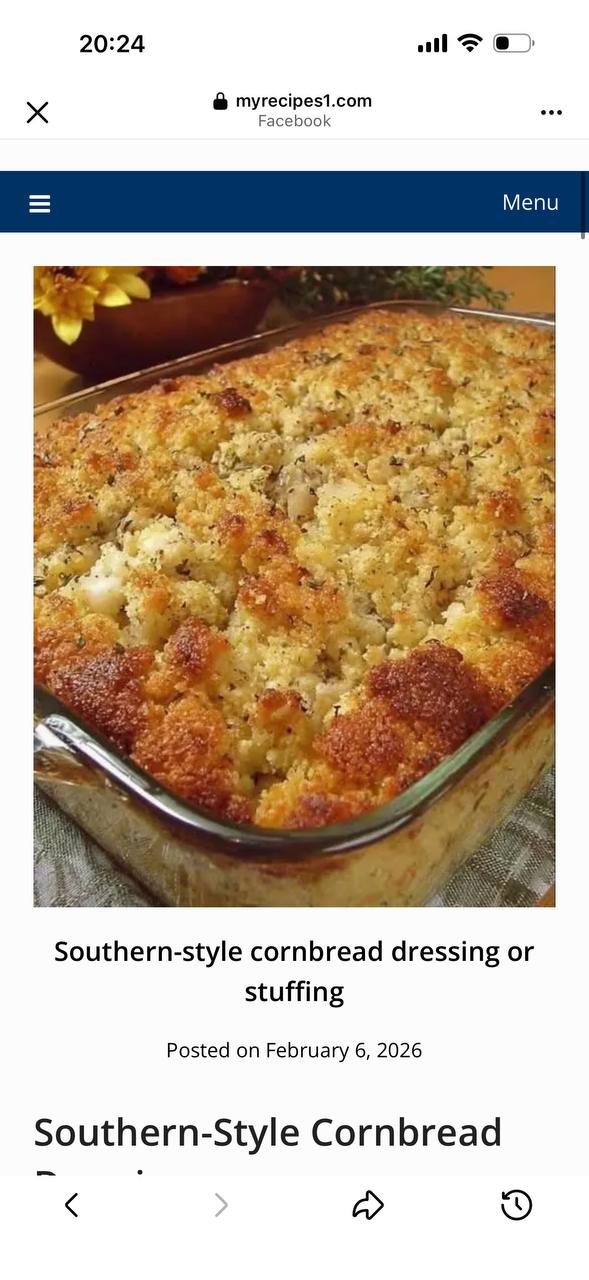
Southern style cornbread dressing or stuffing

Introduction
There are some dishes that simply define comfort, tradition, and home, and Southern-Style Cornbread Dressing (or Stuffing, depending on where you’re from and how you cook it!) is undeniably one of them. This golden-brown, savory casserole is a beloved staple on holiday tables across the South, a dish steeped in generations of family recipes and cherished memories. More than just a side, it’s a centerpiece of flavor, a warm embrace that brings everyone to the table, eager for a taste of its rich, herbaceous goodness. Imagine the perfect blend of slightly crisp edges and a wonderfully moist, tender interior, infused with aromatic vegetables and classic seasonings – that’s the magic of this dish.
What makes Southern cornbread dressing so special? It all starts with the foundation: unsweetened, crumbly cornbread. Unlike its sweeter, cake-like Northern counterparts, traditional Southern cornbread provides a sturdy yet absorbent base, ready to soak up all the savory liquids and aromatics. This isn’t your average bread stuffing; it’s a distinct culinary creation that celebrates the humble cornmeal in its most comforting form. Combined with sautéed onions and celery, fragrant herbs like sage and thyme, and often enriched with chicken or turkey broth, it transforms into a deeply flavorful, satisfying dish that perfectly complements roasted meats and holiday feasts. While “stuffing” implies cooking inside the bird, and “dressing” typically refers to cooking in a separate dish, the terms are often used interchangeably, especially when discussing this beloved Southern classic.
This recipe will guide you through creating a dressing that boasts that irresistible golden crust and a moist, flavorful crumb, just like grandma used to make. We’ll ensure you achieve the perfect balance of textures and tastes, making it a standout dish whether it’s Thanksgiving, Christmas, or just a Sunday dinner when you’re craving some genuine Southern comfort. Get ready to fill your kitchen with incredible aromas and your plate with a truly unforgettable dish.
Nutritional Information
Per serving (approximate values):
- Calories: 320
- Protein: 10g
- Carbohydrates: 35g
- Fat: 16g
- Fiber: 4g
- Sodium: 680mg
Ingredients
- 1 (8-inch) pan of unsweetened cornbread, day-old or dried (about 6-7 cups crumbled)
- 1 cup (2 sticks) unsalted butter, divided
- 2 cups finely chopped yellow onion (about 1 large)
- 1 ½ cups finely chopped celery (about 3-4 stalks)
- ½ cup finely chopped red bell pepper (optional, for color and sweetness)
- 2 cloves garlic, minced
- 1 tablespoon dried rubbed sage
- 1 teaspoon dried thyme leaves
- ½ teaspoon black pepper
- ½ teaspoon salt, or to taste
- 4 cups low-sodium chicken or turkey broth, plus more if needed
- 2 large eggs, lightly beaten
- ½ cup whole milk or heavy cream (optional, for extra richness)
- Fresh parsley, chopped, for garnish (optional)
Instructions
- Prepare the Cornbread: If not already day-old, bake your cornbread according to your favorite unsweetened recipe. Once cooled, crumble it into small, even pieces and spread it out on a large baking sheet. Let it air dry for several hours or overnight, or bake in a 250°F (120°C) oven for 30-45 minutes, stirring occasionally, until slightly dried out but not toasted. This step is crucial for preventing soggy dressing.
- Sauté the Aromatics: In a large skillet or Dutch oven, melt ½ cup (1 stick) of butter over medium heat. Add the chopped onion, celery, and red bell pepper (if using). Cook, stirring occasionally, until the vegetables are softened and translucent, about 8-10 minutes. Add the minced garlic, dried sage, dried thyme, black pepper, and salt. Cook for another 1-2 minutes until fragrant.
- Combine Ingredients: In a very large mixing bowl, combine the crumbled cornbread with the sautéed vegetable mixture. Toss gently to distribute the vegetables and seasonings evenly.
- Add Liquids and Binders: In a separate bowl, whisk together the chicken or turkey broth, lightly beaten eggs, and milk or cream (if using). Gradually pour this liquid mixture over the cornbread and vegetable mixture, stirring gently with a spoon or your hands until all the cornbread is moistened. Be careful not to overmix, as this can make the dressing dense. The mixture should be moist but not swimming in liquid. If it seems too dry, add a little more broth, a quarter cup at a time, until the desired consistency is reached.
- Prepare for Baking: Preheat your oven to 375°F (190°C). Melt the remaining ½ cup (1 stick) of butter. Pour about half of the melted butter into a 9×13-inch baking dish, swirling to coat the bottom and sides.
- Transfer and Bake: Spoon the cornbread dressing mixture evenly into the prepared baking dish. Drizzle the remaining melted butter over the top of the dressing.
- Bake to Golden Perfection: Bake for 40-50 minutes, or until the top is golden brown and crusty, and the dressing is heated through and set. If the top starts to brown too quickly, you can loosely tent it with aluminum foil for the last 15-20 minutes of baking.
- Rest and Serve: Once baked, remove the dressing from the oven and let it rest for 10-15 minutes before serving. This allows the dressing to set further and makes for easier serving. Garnish with fresh chopped parsley, if desired.
Cooking Tips and Variations
Homemade Cornbread is Key: For the most authentic Southern flavor, use a homemade, unsweetened skillet cornbread. The texture of store-bought or sweet cornbread will significantly alter the final dish. Baking your cornbread a day or two in advance and letting it dry out is crucial for absorption and texture. If you’re short on time, you can crumble fresh cornbread and dry it in a low oven (250°F) for about 30-45 minutes, stirring occasionally, until it’s slightly firm but not toasted.
Moisture Control is Everything: The amount of broth needed can vary depending on the dryness of your cornbread. Add the broth gradually until the mixture is thoroughly moistened but not soggy. It should resemble a thick, wet batter, not a soup. A good test is to gently squeeze a handful; it should hold together without liquid dripping excessively. Too much liquid will result in a dense, heavy dressing, while too little will make it dry and crumbly.
Enhance the Flavor: For an even richer, deeper flavor, sauté your vegetables in a combination of butter and bacon fat. The smoky notes of bacon fat complement the cornbread beautifully. You can also add finely chopped cooked sausage (like sage sausage) or crumbled cooked bacon to the mixture for extra savory goodness. Toasted pecans or chestnuts can also be folded in for added texture and a nutty flavor.
Herb Wisdom: While dried herbs are convenient and traditional, don’t shy away from using fresh herbs for an extra burst of aromatic flavor. If using fresh sage and thyme, double the quantity of dried herbs called for in the recipe. Finely chop them before adding to the sautéed vegetables. A pinch of poultry seasoning can also be added for a more complex, Thanksgiving-like flavor profile.
Crispy Top Perfection: For that coveted golden, crispy crust, bake the dressing uncovered for the entire baking time. If you prefer a softer top, you can cover it loosely with foil for the first 20-30 minutes of baking, then remove the foil to allow it to brown during the last portion of cooking. Drizzling extra melted butter over the top before baking also helps achieve a beautiful golden finish.
Make it Your Own: Feel free to experiment with additional ingredients. Some Southern cooks add diced hard-boiled eggs for extra protein and texture, or a touch of hot sauce for a subtle kick. A splash of sherry or white wine can also deepen the flavor profile.
Storage and Reheating
Storage: Leftover Southern-Style Cornbread Dressing should be stored in an airtight container in the refrigerator for up to 3-4 days. Ensure it has cooled completely before refrigerating to prevent condensation and sogginess.
Freezing: Cornbread dressing freezes exceptionally well. Once completely cooled, transfer it to a freezer-safe airtight container or wrap individual portions tightly in plastic wrap and then aluminum foil. It can be frozen for up to 2-3 months. Thaw overnight in the refrigerator before reheating.
Reheating:
- Oven: This is the best method for preserving texture. Preheat your oven to 300-325°F (150-160°C). Place the dressing in an oven-safe dish, cover it loosely with aluminum foil to prevent it from drying out, and bake for 20-30 minutes, or until heated through. For a crisper top, remove the foil for the last 5-10 minutes.
- Microwave: For individual servings, the microwave is a quick option. Place a portion on a microwave-safe plate, cover loosely, and heat on high for 1-2 minutes, stirring halfway through, until hot. Be aware that the microwave can soften the texture and make it less crispy.
- Stovetop (for small amounts): Heat a skillet over medium-low heat with a little butter or oil. Add the dressing and cook, stirring occasionally, until heated through and some of the edges become crispy. This works well for smaller portions.
Frequently Asked Questions
What’s the difference between dressing and stuffing?
Traditionally, “stuffing” refers to a mixture cooked inside the cavity of a turkey or other poultry, absorbing juices from the bird as it cooks. “Dressing,” on the other hand, is cooked in a separate baking dish. In the Southern United States, the term “dressing” is predominantly used, regardless of whether it’s cooked inside or outside the bird, especially when referring to cornbread-based recipes. This recipe is for a dressing cooked in a casserole dish.
Can I make this cornbread dressing ahead of time?
Absolutely! This dressing is an excellent make-ahead dish, which is perfect for holiday planning. You can prepare the entire mixture (steps 1-5) and assemble it in the baking dish, then cover it tightly and refrigerate for up to 1-2 days before baking. When ready to bake, let it sit at room temperature for about 30 minutes before placing it in the oven, and you may need to add an extra 10-15 minutes to the baking time.
Why is my cornbread dressing soggy?
Soggy dressing is usually due to one of two reasons: either the cornbread wasn’t dry enough before mixing, or too much liquid (broth, eggs, milk) was added. Using day-old or oven-dried cornbread is crucial to ensure it can properly absorb the liquids without becoming mushy. When adding the broth, do so gradually and stop when the mixture is moist but not saturated. Overmixing can also compress the ingredients, leading to a denser, soggier texture.
Can I use store-bought cornbread?
While homemade unsweetened cornbread yields the best results, you can use store-bought cornbread if necessary. Opt for a plain, unsweetened variety if possible, as sweet cornbread will alter the traditional savory flavor profile. You will still need to crumble it and dry it out as described in the recipe to ensure the correct texture.