Follow Me On Social Media!
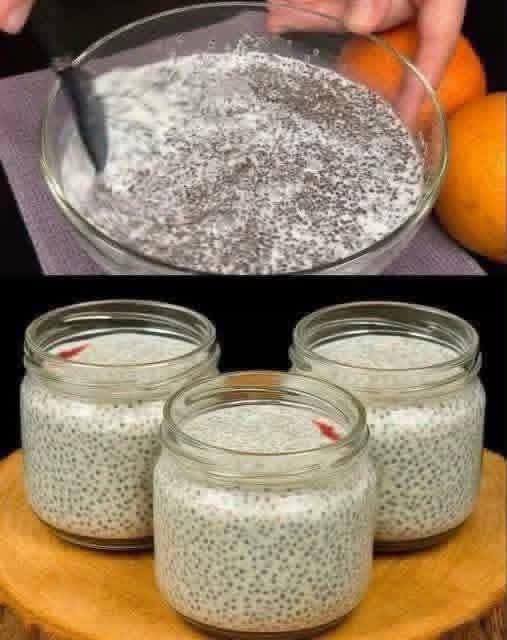
Strawberry Orange Chia Seed Pudding

Introduction
Imagine a breakfast that tastes like a burst of sunshine, feels incredibly light yet satisfying, and fuels your body with goodness from the very first spoonful. That’s precisely what awaits you with our Strawberry Orange Chia Seed Pudding! This delightful creation isn’t just a treat for your taste buds; it’s a vibrant, healthy, and incredibly easy-to-make meal or snack that will revolutionize your morning routine or elevate your afternoon pick-me-up. Forget complicated recipes and lengthy cooking times; this pudding comes together with minimal effort, allowing you to enjoy more of your precious time while still nourishing yourself with a truly delicious and wholesome option.
Chia seed pudding has soared in popularity for good reason, and when infused with the bright, zesty notes of fresh orange and the sweet, juicy essence of ripe strawberries, it reaches new heights of culinary bliss. It’s a powerhouse of nutrition, packed with essential vitamins, minerals, and fiber, making it a fantastic choice for anyone looking to incorporate more healthy ingredients into their diet without sacrificing flavor. Whether you’re a seasoned health enthusiast or just beginning your wellness journey, this recipe offers a simple, accessible, and utterly enjoyable way to embrace nutritious eating. Its appealing texture, vibrant colors, and refreshing taste make it a universally loved dish that appeals to all ages.
Beyond its impressive nutritional profile and delightful flavor, this Strawberry Orange Chia Seed Pudding shines in its versatility and convenience. It’s perfect as a grab-and-go breakfast on busy mornings, a guilt-free dessert, or a revitalizing snack to keep you energized throughout the day. Its make-ahead nature means you can prepare a batch at the beginning of the week and have healthy, delicious servings ready whenever hunger strikes. Plus, it’s naturally dairy-free and vegan-friendly, catering to a wide range of dietary needs and preferences. Get ready to fall in love with a dish that combines the best of health, taste, and simplicity in one glorious, vibrant package!
Nutritional Information
Per serving (approximate values):
- Calories: 280
- Protein: 8g
- Carbohydrates: 35g
- Fat: 14g
- Fiber: 12g
- Sodium: 100mg
Ingredients
- 1/2 cup chia seeds
- 2 cups unsweetened plant-based milk (almond, oat, or soy work best)
- 1/4 cup fresh orange juice (from about 1 medium orange)
- 1 tablespoon orange zest (from 1 medium orange)
- 1/2 cup fresh strawberries, diced (plus more for garnish)
- 2-3 tablespoons maple syrup or agave nectar (adjust to taste)
- 1/2 teaspoon vanilla extract
- Pinch of salt
Instructions
- In a medium-sized mixing bowl, combine the unsweetened plant-based milk, fresh orange juice, orange zest, maple syrup (or agave nectar), and vanilla extract. Add a pinch of salt to enhance the flavors. Whisk everything together thoroughly until the sweetener is dissolved and all the liquids are well combined. This initial mixing step is crucial for distributing the flavors evenly throughout the pudding.
- Slowly add the chia seeds to the liquid mixture while continuously whisking. It’s important to add them gradually and stir constantly to prevent them from clumping together. Continue whisking for about 1-2 minutes to ensure every chia seed is fully submerged and hydrated. This initial hydration is key to achieving a smooth, uniform pudding texture without dry pockets of seeds.
- Once the chia seeds are well mixed, let the bowl sit at room temperature for 5-10 minutes. During this time, the chia seeds will begin to absorb the liquid and swell. After this initial soak, give the mixture another vigorous stir or whisk. This second stir helps to break up any remaining clumps and ensures that the seeds are evenly dispersed, leading to a much better texture in the final pudding.
- Gently fold in the diced fresh strawberries. Be careful not to overmix, as you want the strawberry pieces to remain somewhat intact. If you prefer a smoother strawberry flavor, you can lightly mash the strawberries before adding them, or even blend a small portion of them with a tablespoon of the milk mixture to create a light puree that can be swirled in.
- Cover the bowl tightly with plastic wrap or transfer the mixture into individual serving jars with lids. Refrigerate for at least 4 hours, but preferably overnight. The longer the pudding chills, the thicker and more gel-like it will become. Overnight chilling allows the chia seeds to fully hydrate and reach their optimal pudding consistency, which is firm yet creamy.
- Before serving, give the pudding a good stir, especially if it’s been chilling for a long time, as some liquid might separate. If the pudding is too thick for your liking, you can add a splash more plant-based milk and stir until it reaches your desired consistency. If it’s too thin, a tiny sprinkle of extra chia seeds and another hour or two of chilling can help thicken it up (though this is less common with the recommended ratio).
- Portion the Strawberry Orange Chia Seed Pudding into serving bowls or glasses. Garnish with additional fresh diced strawberries, orange segments, a sprinkle of orange zest, or any other desired toppings (see “Variations & Serving Suggestions” for ideas). Serve chilled and enjoy this refreshing and healthy treat!
Cooking Tips and Variations
Achieving the perfect chia seed pudding consistency is all about the right ratio and proper mixing. For this recipe, a 1:4 ratio of chia seeds to liquid is a great starting point, creating a pudding that is firm but still spoonable. If you prefer a thicker pudding, you can reduce the liquid slightly or add an extra tablespoon of chia seeds. Conversely, for a thinner consistency, simply stir in a splash more plant-based milk before serving. The key to preventing clumps is that initial vigorous whisking when adding the chia seeds, followed by a second stir after 5-10 minutes. Don’t skip these steps! It ensures the seeds are evenly hydrated and don’t stick together at the bottom of the bowl.
When it comes to flavor, the quality of your ingredients truly shines through. Use fresh, ripe strawberries for the best sweetness and aroma. For the orange component, always opt for fresh orange juice and zest. The zest contains concentrated oils that provide a much more intense and authentic orange flavor than just juice alone. Make sure to only zest the bright orange part of the peel and avoid the bitter white pith. If you want an even more pronounced orange flavor, consider adding a drop or two of food-grade orange essential oil (ensure it’s safe for consumption) or a tiny bit of orange extract.
Sweetener Variations:
- Honey: If you’re not strictly vegan, honey can be a delicious alternative to maple syrup, adding its own unique floral notes.
- Agave Nectar: A good vegan option with a neutral flavor profile.
- Dates: For a whole-food sweetener, blend 2-3 pitted Medjool dates with a small amount of the plant-based milk until smooth, then add to the mixture. This also adds extra fiber.
- Stevia/Erythritol: For a sugar-free option, use your preferred sugar substitute according to taste.
Fruit Variations:
- Mixed Berry: Swap strawberries for a mix of raspberries, blueberries, and blackberries.
- Mango Passionfruit: Replace orange with mango puree and add a few spoonfuls of passionfruit pulp for a tropical twist.
- Peach Ginger: Use peach puree and a pinch of grated fresh ginger for a warm, comforting flavor.
- Lemon Raspberry: Use lemon juice and zest instead of orange, and raspberries instead of strawberries.
Spice & Extract Variations:
- Cinnamon or Cardamom: A pinch of ground cinnamon or cardamom can add a lovely warmth, especially if you’re leaning towards a more autumnal fruit like apple or pear.
- Almond Extract: A tiny dash of almond extract can complement the fruit flavors beautifully.
- Coconut Extract: If you love coconut, a few drops of coconut extract can enhance the tropical feel, especially if using coconut milk as your base.
Topping Ideas:
- Granola: Adds a satisfying crunch and extra fiber.
- Shredded Coconut: Toasted or untoasted, it adds texture and a tropical flavor.
- Nuts & Seeds: Chopped almonds, walnuts, pecans, pumpkin seeds, or sunflower seeds provide healthy fats and crunch.
- Fresh Fruit: Beyond strawberries and orange segments, consider blueberries, kiwi slices, or banana coins.
- Nut Butter Drizzle: A swirl of almond butter or cashew butter can add richness and protein.
- Cacao Nibs: For a subtle chocolatey crunch and antioxidant boost.
Remember, this recipe is incredibly forgiving and encourages experimentation. Don’t be afraid to adjust the ratios, swap out ingredients, and add your own creative flair to make it truly your own!
Storage and Reheating
One of the many benefits of chia seed pudding is its excellent make-ahead and storage capabilities, making it an ideal choice for meal prepping. Proper storage ensures that your pudding remains fresh, delicious, and safe to eat for several days.
Storage:
Once your Strawberry Orange Chia Seed Pudding is prepared and has fully set in the refrigerator, it should be stored in airtight containers. Individual jars with tight-fitting lids (like Mason jars) are perfect for portion control and grab-and-go convenience. If you made a large batch in a single bowl, transfer it to smaller containers or ensure the main bowl is very securely covered with plastic wrap or an airtight lid to prevent air exposure.
Store the pudding in the coldest part of your refrigerator. When stored correctly, chia seed pudding typically lasts for 3 to 5 days. The texture might become slightly firmer over time as the chia seeds continue to absorb liquid, but it should remain perfectly enjoyable. If you’ve added fresh fruit directly into the pudding, especially softer fruits like bananas or berries, the shelf life might be closer to 3 days, as these fruits can break down or ferment more quickly. For maximum freshness, it’s often best to add any fresh fruit toppings right before serving.
Reheating (or Lack Thereof):
Chia seed pudding is traditionally, and ideally, served chilled. It is not designed to be heated or “reheated” in the conventional sense like a hot meal. Heating chia seed pudding would alter its unique gel-like texture, making it less appealing and potentially causing the seeds to lose some of their structural integrity. The refreshing, cool temperature is an integral part of its appeal, especially with the bright flavors of strawberry and orange.
Therefore, there is no reheating process for this dish. Simply remove it from the refrigerator, give it a good stir to redistribute any settled liquid or ingredients, add your desired toppings, and enjoy it cold. If you find the pudding has become too thick after extended refrigeration, you can stir in a tablespoon or two of additional cold plant-based milk to achieve your preferred consistency.
Preparing this pudding for the week ahead means you’ll have a healthy, delicious, and ready-to-eat option whenever you need it, eliminating the need for any cooking or reheating on busy mornings or for quick snacks.
Frequently Asked Questions
What kind of plant-based milk works best for chia pudding?
While most plant-based milks will work, unsweetened almond milk, oat milk, and soy milk are generally the best choices for chia pudding. Almond milk offers a neutral flavor that allows the fruit to shine, oat milk provides a creamier texture, and soy milk adds a bit more protein. Coconut milk can also be used for a richer, more tropical flavor, but be aware it will significantly increase the fat and calorie content. Avoid highly sweetened or flavored milks unless you want to adjust the added sweetener in the recipe.
Can I make this recipe without a sweetener?
Absolutely! If you prefer less sweetness or are sensitive to added sugars, you can omit the maple syrup or agave nectar entirely. The natural sweetness from the fresh strawberries and orange juice might be enough for your palate. You can always taste the mixture after the initial stir and decide if you want to add a small amount of sweetener. For a completely sugar-free option, you could use a sugar substitute like stevia or erythritol, but remember that the fruit itself contains natural sugars.
My chia pudding didn’t set, what went wrong?
There are a few common reasons why chia pudding might not set properly. The most frequent issue is an incorrect chia seed to liquid ratio – too much liquid or not enough chia seeds will result in a runny consistency. Ensure you’re using the recommended 1:4 ratio (1 part chia seeds to 4 parts liquid). Another common mistake is not stirring enough initially. If the chia seeds clump together, they won’t absorb liquid effectively. Make sure to whisk vigorously when adding the seeds and stir again after 5-10 minutes. Finally, not allowing enough chilling time is a factor; chia pudding needs at least 4 hours, and preferably overnight, to fully hydrate and thicken in the refrigerator.
How can I make this pudding even more vibrant in color?
To enhance the vibrant pink and orange hues of this pudding, you have a few options. For a more intense strawberry color, you can blend about half of the diced strawberries with a tablespoon or two of the plant-based milk before adding them to the chia mixture; this will create a beautiful swirl or an overall pinker pudding. You could also add a tiny amount of natural food coloring (like beet powder for pink) or a small amount of concentrated fruit puree (like raspberry or cranberry) if you desire a deeper color without altering the flavor too much. For the orange, ensuring you use plenty of fresh orange zest will naturally deepen the orange aroma and provide a subtle color boost.