Follow Me On Social Media!
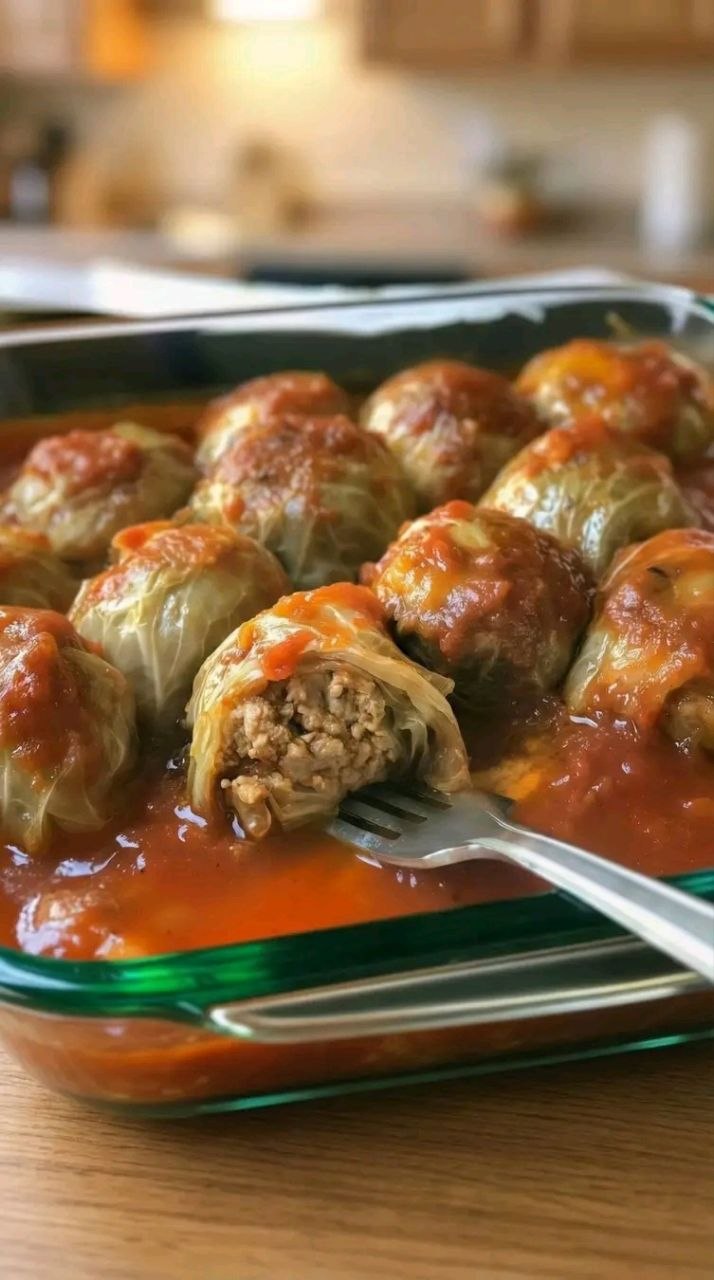
Stuffed Cabbage Rolls

Introduction
There are some dishes that transcend mere sustenance, becoming woven into the fabric of family traditions and cherished memories. Stuffed Cabbage Rolls, known by many names across Eastern Europe—Golabki in Poland, Holubtsi in Ukraine, and more—is undoubtedly one of them. This comforting classic embodies the warmth of home cooking, a dish passed down through generations, each bite a testament to culinary heritage. It’s a hearty, satisfying meal that brings people together, evoking a sense of nostalgia and deep contentment. Imagine tender cabbage leaves embracing a savory filling of seasoned ground meat and fluffy rice, all slow-cooked to perfection in a rich, tangy tomato sauce. It’s a symphony of textures and flavors that truly satisfies the soul.
What makes Stuffed Cabbage Rolls so special isn’t just their incredible taste, but also the love and care that goes into preparing them. While they might seem intricate at first glance, the process is surprisingly straightforward, yielding a dish that’s both elegant and incredibly flavorful. The magic lies in the balance: the slight sweetness of the cabbage, the umami richness of the meat, the comforting starchiness of the rice, and the bright acidity of the tomato sauce. Whether you’re preparing them for a holiday feast, a family dinner, or simply craving a taste of authentic comfort food, these cabbage rolls are guaranteed to impress and delight. They are a true labor of love, but one that is amply rewarded with every delicious mouthful.
This recipe will guide you through creating perfect Stuffed Cabbage Rolls, ensuring tender cabbage, a perfectly seasoned filling, and a luscious sauce that ties it all together. We’ll cover everything from selecting the right ingredients to mastering the art of rolling, and even offer tips for variations and storage. Get ready to transform simple ingredients into an extraordinary meal that will become a beloved staple in your culinary repertoire. Prepare to fill your kitchen with the irresistible aroma of simmering tomatoes and savory spices, and your table with a dish that speaks volumes of comfort and tradition.
Nutritional Information
Per serving (approximate values):
- Calories: 380
- Protein: 28g
- Carbohydrates: 35g
- Fat: 15g
- Fiber: 6g
- Sodium: 720mg
Ingredients
- 1 large head green cabbage (about 3-4 pounds)
- 2 tablespoons olive oil
- 1 large yellow onion, finely chopped
- 2 cloves garlic, minced
- 1.5 pounds ground beef (80/20 or 85/15, or a mix of beef and pork)
- 1 cup uncooked long-grain white rice, rinsed
- 1 large egg, lightly beaten
- 1 teaspoon salt, plus more for seasoning
- 0.5 teaspoon black pepper, plus more for seasoning
- 0.5 teaspoon dried marjoram (optional, but highly recommended)
- 0.25 teaspoon smoked paprika (optional)
- 1 (28-ounce) can crushed tomatoes
- 1 (15-ounce) can tomato sauce
- 0.5 cup water or beef broth
- 2 tablespoons brown sugar (light or dark)
- 1 tablespoon apple cider vinegar or white vinegar
- 1 teaspoon Worcestershire sauce (optional)
- Fresh dill or parsley, chopped, for garnish (optional)
Instructions
- Prepare the Cabbage: Carefully remove the core from the bottom of the cabbage head using a sharp knife. Place the cored cabbage in a large pot of boiling salted water. Cook for 10-15 minutes, or until the outer leaves soften and can be easily peeled off. As leaves soften, carefully remove them with tongs and transfer to a colander to cool. Repeat until you have about 12-16 large, pliable leaves. Trim any thick veins from the base of each leaf to make rolling easier. Chop any remaining cabbage into small pieces and set aside for the bottom of the baking dish.
- Prepare the Filling: In a large skillet, heat 1 tablespoon of olive oil over medium heat. Add the chopped onion and cook until softened, about 5-7 minutes. Add the minced garlic and cook for another minute until fragrant. Remove from heat and let cool slightly.
- In a large bowl, combine the ground meat, rinsed uncooked rice, beaten egg, 1 teaspoon salt, 0.5 teaspoon black pepper, dried marjoram (if using), and smoked paprika (if using). Add the cooled onion and garlic mixture. Mix everything thoroughly with your hands until well combined. Do not overmix.
- Prepare the Sauce: In a separate medium bowl, combine the crushed tomatoes, tomato sauce, water or beef broth, brown sugar, apple cider vinegar, and Worcestershire sauce (if using). Stir well to combine. Taste and adjust seasoning if necessary.
- Assemble the Cabbage Rolls: Preheat your oven to 350°F (175°C). Lightly grease a large baking dish (9×13 inch or similar). Spread the reserved chopped cabbage (if any) on the bottom of the baking dish. This creates a bed and prevents the rolls from sticking.
- Take one softened cabbage leaf and lay it flat on a clean surface. Place about 2-3 tablespoons of the meat filling near the stem end of the leaf. Fold the stem end over the filling, then fold in the sides of the leaf, and finally, roll it up tightly towards the tip. Place the rolled cabbage seam-side down in the prepared baking dish. Repeat with the remaining cabbage leaves and filling, arranging them snugly in the dish.
- Bake the Cabbage Rolls: Pour the prepared tomato sauce evenly over the assembled cabbage rolls. Cover the baking dish tightly with aluminum foil.
- Bake for 1 hour and 30 minutes. After 1 hour and 30 minutes, remove the foil and continue baking for another 30-45 minutes, or until the cabbage is very tender, the rice is cooked through, and the sauce has thickened slightly. If the sauce appears too thick, you can add a little more water or broth during the last 30 minutes of baking.
- Rest and Serve: Once cooked, remove the baking dish from the oven and let it rest for 10-15 minutes before serving. This allows the flavors to meld and the rolls to set. Garnish with fresh dill or parsley, if desired.
Cooking Tips and Variations
To ensure your Stuffed Cabbage Rolls are perfect every time, consider these helpful tips and exciting variations. When preparing the cabbage, don’t rush the blanching process. The goal is to make the leaves pliable enough to roll without tearing, but not so soft that they become mushy. If you’re having trouble coring the cabbage, you can also place the entire head in the freezer overnight, then thaw it. The freezing and thawing process breaks down the cell walls, making the leaves incredibly easy to peel off one by one when thawed. For the filling, remember that the rice will absorb a lot of moisture, so ensuring the meat mixture is well-seasoned and slightly moist is key. A good way to prevent the rolls from unraveling during cooking is to pack them tightly in the baking dish. This creates a gentle pressure that keeps them intact as they simmer in the sauce. If you have extra cabbage leaves that are too small to roll, chop them up and layer them at the bottom of the baking dish and over the top of the rolls before pouring the sauce; this adds more flavor and helps keep the rolls moist.
For variations, try experimenting with the meat mixture. While beef is traditional, a combination of ground beef and pork (often 50/50) adds a wonderful richness and depth of flavor. For a lighter option, ground turkey or chicken can also be used, though you might want to add a touch more fat or moisture to the filling. If you’re looking for a vegetarian or vegan version, consider using a hearty mushroom and lentil mixture, or a blend of finely chopped vegetables and cooked grains like quinoa or brown rice. Sautéed onions, carrots, and celery can form a fantastic base for a vegetarian filling. The sauce is another area for creativity. While a classic tomato sauce is beloved, you can add a dollop of sour cream or a splash of heavy cream to the sauce before baking for a creamier, richer finish. Some recipes also incorporate sauerkraut into the sauce or layered within the dish for an extra tangy kick. Don’t be afraid to adjust the sweetness and acidity of the sauce to your preference; a little extra brown sugar or vinegar can make a big difference. You can also add other herbs like bay leaves or thyme to the sauce for more aromatic depth. Serving suggestions often include a dollop of sour cream or plain Greek yogurt on top, which provides a lovely contrast to the rich tomato flavor. A side of crusty bread for soaking up the delicious sauce is always a good idea, and a simple green salad can balance out the richness of the dish.
Storage and Reheating
Stuffed Cabbage Rolls are an excellent make-ahead meal and store beautifully. To store, allow the cooked cabbage rolls to cool completely to room temperature. Transfer them to an airtight container along with a generous amount of the sauce. They can be stored in the refrigerator for up to 3-4 days. For longer storage, cabbage rolls freeze exceptionally well. Arrange cooled rolls and sauce in freezer-safe containers or heavy-duty freezer bags. They can be frozen for up to 3 months without significant loss of quality. Thaw frozen rolls in the refrigerator overnight before reheating.
To reheat, if refrigerated, you can warm individual portions in the microwave until heated through, usually 2-4 minutes depending on your microwave’s power. For larger portions or if you prefer oven reheating, transfer the rolls and sauce to an oven-safe dish, cover with foil, and bake at 325°F (160°C) for 20-30 minutes, or until thoroughly heated. If reheating from frozen, it’s best to allow them to thaw first. Once thawed, reheat as you would refrigerated rolls. Ensure they reach an internal temperature of 165°F (74°C) for food safety.
Frequently Asked Questions
Why do my cabbage leaves tear when I try to roll them?
Cabbage leaves often tear if they haven’t been softened enough during the blanching process, or if the thick central vein isn’t trimmed down. Ensure you cook the cabbage long enough for the leaves to become pliable, typically 10-15 minutes in boiling water, allowing them to cool slightly before handling. Trimming the thick vein at the base of each leaf will also make them much easier to fold without cracking.
Can I make Stuffed Cabbage Rolls ahead of time?
Absolutely! Stuffed Cabbage Rolls are an ideal make-ahead meal. You can assemble them a day in advance and store them covered in the refrigerator before baking. Alternatively, you can bake them completely, cool them, and then refrigerate or freeze them. In fact, many people find that the flavors meld and improve even more after a day or two in the fridge.
What kind of rice should I use for the filling?
Long-grain white rice is traditionally used for Stuffed Cabbage Rolls as it cooks up light and fluffy. Do not use instant rice, as it will become mushy. Brown rice can be used for a healthier alternative, but you may need to adjust the cooking time slightly and ensure there’s enough moisture in the filling and sauce for it to cook properly.
My sauce is too thin/thick. How can I fix it?
If your sauce is too thin, remove the foil during the last 30-45 minutes of baking to allow some moisture to evaporate and the sauce to reduce. You can also mix a tablespoon of cornstarch with a tablespoon of cold water, then stir this slurry into the sauce during the last 15 minutes of cooking. If the sauce is too thick, simply add a bit more water or beef broth, about 1/4 to 1/2 cup at a time, until it reaches your desired consistency.