Follow Me On Social Media!
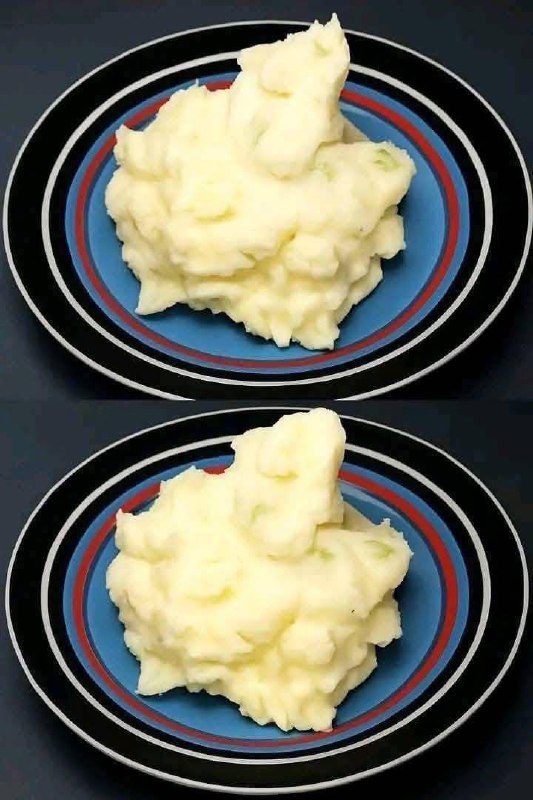
The Secret to Perfect Mashed Potatoes Skip the Water and Add

Introduction
Ah, mashed potatoes. The ultimate comfort food, a staple on holiday tables, and a beloved side dish that evokes warmth, family, and pure culinary bliss. From a simple weeknight addition to a grand celebratory spread, mashed potatoes hold a special place in our hearts and on our plates. Their creamy texture, rich flavor, and incredible versatility make them a universal favorite, capable of elevating almost any meal. But while they seem deceptively simple to make, achieving that truly perfect, ethereal consistency can often feel like chasing a culinary unicorn. We’ve all had them: the lumpy, gluey, or watery versions that just don’t hit the mark. The quest for the ideal mashed potato—smooth, fluffy, and bursting with flavor—is a journey many embark on, often with mixed results.
For too long, home cooks have been told to boil their potatoes, drain the water, and then add a splash of milk or cream. While this method can produce decent results, it often leaves something to be desired. The truth is, the secret to truly transcendent mashed potatoes lies not in what you add after boiling, but in a fundamental shift in your approach. It’s about ditching the conventional wisdom of adding plain water to the cooking process and embracing an ingredient that infuses flavor and richness from the very beginning. This seemingly small change makes an enormous difference, transforming your spuds from merely good to absolutely unforgettable, ensuring every spoonful is a dream.
Prepare to revolutionize your mashed potato game. Forget everything you thought you knew about making this classic side. We’re about to unveil the simple, yet profound, secret that will guarantee you perfect, creamy, and incredibly flavorful mashed potatoes every single time. No more blandness, no more lumps, just pure, unadulterated potato perfection that will have everyone asking for your recipe. Get ready to skip the water and add our secret ingredient, elevating your mashed potatoes to a new, unparalleled level of deliciousness.
Nutritional Information
Per serving (approximate values):
- Calories: 310
- Protein: 6g
- Carbohydrates: 35g
- Fat: 17g
- Fiber: 3g
- Sodium: 420mg
Ingredients
- 2.5 pounds Russet or Yukon Gold potatoes, peeled and cut into 1-inch chunks
- 4 cups whole milk (the secret ingredient!)
- 1 teaspoon salt, plus more to taste
- 1/2 teaspoon freshly ground black pepper, plus more to taste
- 8 tablespoons (1 stick) unsalted butter, cut into cubes, at room temperature
- 1/2 cup heavy cream, warmed
- 2 cloves garlic, minced (optional, for extra flavor)
- 2 tablespoons fresh chives, finely chopped, for garnish (optional)
- Pinch of nutmeg (optional, enhances flavor)
Instructions
- Prepare the potatoes: Peel the potatoes and cut them into uniform 1-inch chunks. This ensures even cooking. Rinse them under cold water to remove excess starch, then drain well.
- Cook the potatoes in milk: Place the potato chunks in a large heavy-bottomed pot. Pour the whole milk over the potatoes, ensuring they are mostly submerged. If not fully submerged, add a little more milk or a splash of water, but aim for mostly milk. Add 1 teaspoon of salt and 1/2 teaspoon of black pepper to the pot. If using, add the minced garlic now.
- Simmer until tender: Bring the milk and potato mixture to a gentle simmer over medium-high heat. Once simmering, reduce the heat to low, cover the pot, and let the potatoes cook gently for 15-20 minutes, or until they are fork-tender. The potatoes should be easily pierced with a fork but not falling apart. Stir occasionally to prevent sticking and ensure even cooking.
- Drain the milk (partially): Carefully drain about 3/4 of the milk from the pot into a separate heatproof bowl or measuring cup. Leave approximately 1 cup of the milk in the pot with the potatoes. This infused milk is liquid gold and will be used to achieve ultimate creaminess.
- Mash the potatoes: Return the pot with the cooked potatoes and remaining milk to very low heat (or off the heat if your stove retains heat well). Using a potato masher, ricer, or food mill, mash the potatoes directly in the pot. If using a masher, mash until mostly smooth, leaving some small lumps if you prefer a rustic texture. For super smooth potatoes, a ricer or food mill is highly recommended.
- Incorporate butter and cream: Add the cubed room-temperature butter to the mashed potatoes. Stir gently until the butter is fully melted and incorporated. Gradually add the warmed heavy cream, stirring until the potatoes reach your desired creamy consistency. Add a little more of the reserved infused milk if the potatoes are too thick or if you desire an even creamier texture.
- Season and finish: Taste the mashed potatoes and adjust seasoning with additional salt, pepper, or a pinch of nutmeg if desired. Stir in the fresh chives if using. Serve immediately.
Cooking Tips and Variations
The type of potato you choose is crucial for perfect mashed potatoes. Russet potatoes are high in starch and low in moisture, making them incredibly fluffy when mashed. Yukon Golds are a great all-purpose potato, offering a buttery flavor and creamy texture. Avoid waxy potatoes like red or new potatoes, as they tend to become gummy when mashed. For an extra layer of flavor, consider roasting the garlic cloves whole with a drizzle of olive oil before adding them to the milk and potatoes. This mellows the garlic flavor and adds a sweet, nutty note. If you don’t have whole milk, you can use a combination of half-and-half and a little water, but whole milk truly provides the best richness. For a slightly tangy flavor, a tablespoon or two of cream cheese or sour cream can be folded in at the end. To make these mashed potatoes even more indulgent, consider browning the butter before adding it. Simply melt the butter in a separate pan over medium heat, swirling occasionally, until it turns a nutty brown and smells fragrant. Strain out any solids and add the browned butter to your mashed potatoes. For a dairy-free option, you can experiment with plant-based milks like unsweetened oat milk or cashew milk, along with a high-quality plant-based butter. However, the richness and flavor will be different from the traditional dairy version. Don’t over-mash your potatoes! Over-mashing can break down the starch cells too much, leading to a gluey, unappetizing texture. Mash just enough until smooth. A potato ricer is excellent for achieving a lump-free, fluffy texture without overworking the potatoes. Always add butter and cream when they are at room temperature or slightly warmed. Cold ingredients can cool down your potatoes too quickly and make them harder to incorporate smoothly. Warming the cream slightly before adding helps maintain the temperature of the mashed potatoes and ensures a silkier texture. Taste and adjust seasoning generously. Potatoes absorb a lot of salt, so don’t be shy. A little extra salt can bring out all the beautiful flavors. Freshly ground black pepper is always superior to pre-ground. For an herbal twist, finely chopped rosemary or thyme can be added along with the chives. For a cheesy variation, fold in some grated Parmesan, Gruyere, or white cheddar cheese at the end until melted and smooth. This adds a wonderful savory depth. If you want a hint of spice, a tiny pinch of cayenne pepper can be a surprisingly good addition, enhancing the flavor without making it overtly spicy. Remember, the key to great mashed potatoes is patience and attention to detail. Don’t rush the cooking process, and enjoy the journey to potato perfection.
Storage and Reheating
To store leftover mashed potatoes, allow them to cool completely to room temperature. Transfer them to an airtight container and refrigerate for up to 3-4 days. It is crucial to cool them quickly to prevent bacterial growth. For longer storage, mashed potatoes can be frozen. Spread the cooled mashed potatoes in a single layer on a baking sheet and freeze until solid. Once frozen, transfer the individual portions to a freezer-safe bag or container, removing as much air as possible. They can be stored in the freezer for up to 2-3 months. Thaw frozen mashed potatoes in the refrigerator overnight before reheating.
When reheating, the goal is to restore their creamy texture without drying them out. For small portions, the microwave is convenient. Place the mashed potatoes in a microwave-safe dish, add a splash of milk or cream, and stir. Heat in 1-minute intervals, stirring in between, until heated through. For larger quantities, the stovetop method is best. Transfer the mashed potatoes to a heavy-bottomed pot or saucepan. Add a generous splash of milk, cream, or even chicken broth. Heat over low to medium-low heat, stirring frequently, until warmed through and creamy. Avoid high heat, which can cause them to stick and burn. You may need to add more liquid as they reheat to achieve the desired consistency. Another excellent method, especially for holiday leftovers, is to reheat them in the oven. Place the mashed potatoes in an oven-safe dish, add a few pats of butter and a splash of milk or cream on top, and cover tightly with foil. Bake at 300-325°F (150-160°C) for 20-30 minutes, or until heated through. Stir well before serving. If they seem a bit dry, incorporate more warm milk or cream. Avoid reheating mashed potatoes multiple times, as the quality will diminish with each reheat.
Frequently Asked Questions
Why do my mashed potatoes sometimes turn out gluey?
Gluey mashed potatoes are usually a result of overworking the starches. When potatoes are mashed too vigorously, especially with a food processor or blender, the starch cells break down excessively, releasing too much starch and creating a gummy, glue-like texture. To avoid this, use a potato masher, ricer, or food mill, and mash just until smooth, stopping as soon as the desired consistency is reached.
Can I make these mashed potatoes ahead of time?
Yes, you can make these mashed potatoes a few hours ahead of time, or even the day before. Prepare them as directed, then let them cool completely. Store them in an airtight container in the refrigerator. When ready to serve, reheat them gently on the stovetop or in the oven, adding extra milk, cream, or butter as needed to restore their creamy consistency. Reheating them slowly and adding moisture is key to maintaining their quality.
What’s the best type of potato for mashing?
For the fluffiest and creamiest mashed potatoes, high-starch, low-moisture potatoes are best. Russet potatoes (also known as Idaho potatoes) are an excellent choice, yielding a light and fluffy texture. Yukon Gold potatoes are another fantastic option, offering a naturally buttery flavor and a slightly denser, creamier mash. Avoid waxy varieties like red or new potatoes, as they tend to become gummy when mashed due to their lower starch content.
Is it really necessary to peel the potatoes?
While peeling potatoes is traditional for classic smooth mashed potatoes, it’s not strictly necessary. For a more rustic, wholesome version, you can leave the skins on, especially if using thin-skinned potatoes like Yukon Golds. Just be sure to scrub them very well before cooking. Leaving the skins on adds fiber, nutrients, and a slightly different texture and flavor profile, which some people enjoy. However, for the silkiest, most traditional mashed potatoes, peeling is recommended.