
Follow Me On Social Media!
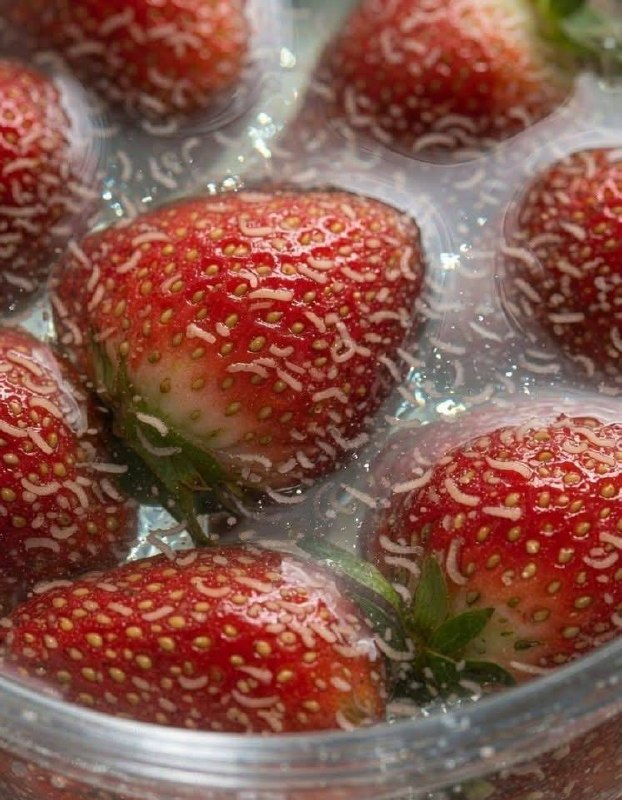
The Strawberry Surprise Understanding What’s in Your Berries And How to Clean Them with Confidence

Introduction
Ah, the sweet allure of fresh strawberries! Plump, ruby-red, and bursting with summery flavor, they are a quintessential delight, gracing everything from decadent desserts to refreshing salads. We pick them from the patch, buy them from farmers’ markets, or grab a convenient punnet from the grocery store, envisioning bites of pure, unadulterated joy. But what if we told you there’s a “strawberry surprise” that often comes along for the ride, an unseen guest that’s completely natural but perhaps a little unsettling? This isn’t a tale of tainted fruit or spoiled goods; it’s a peek into the natural world of our produce, a gentle reminder that our food often comes directly from the earth, shared with its tiny inhabitants.
The “surprise” we’re referring to is the occasional presence of small insects or their larvae nestled within or on your fresh berries. While the thought might make some squirm, it’s a completely normal occurrence, especially for produce grown close to the ground or without heavy pesticide use. Far from being a sign of poor quality, it often signifies truly fresh, vibrant fruit. Our goal today isn’t to deter you from these delicious gems, but to empower you with knowledge and practical, effective methods to ensure your strawberries are sparkling clean and bug-free, ready for confident consumption. Get ready to transform any apprehension into assurance as we dive into understanding what’s in your berries and how to clean them with confidence.
This article will guide you through the why and how of berry cleaning, tackling the “strawberry surprise” head-on. We’ll explore why these tiny creatures make their home in your fruit, demystify what they are, and most importantly, equip you with simple yet powerful cleaning techniques. From the popular soaking method, which can reveal these hidden guests in a rather dramatic fashion, to gentle rinsing and drying, you’ll learn everything you need to enjoy your strawberries with peace of mind. So, let’s turn that potential “surprise” into a satisfying sense of control, ensuring every bite of your beloved berries is pure, unadulterated pleasure.
Nutritional Information
Per serving (approximate values for 1 cup of cleaned, whole strawberries):
- Calories: 49
- Protein: 1g
- Carbohydrates: 12g
- Fat: 0.5g
- Fiber: 3g
- Sodium: 2mg
Ingredients
- 1 pound (approx. 3 cups) fresh strawberries
- 4 cups cold water (for soaking)
- 1 cup white vinegar (for soaking, alternative to salt)
- OR 1 teaspoon fine sea salt (for soaking, alternative to vinegar)
- Additional cold water (for rinsing)
- Clean kitchen towels or paper towels (for drying)
Instructions
- Prepare Your Soaking Solution: In a large bowl, combine 4 cups of cold water with either 1 cup of white vinegar OR 1 teaspoon of fine sea salt. Stir gently until the salt is fully dissolved if using. This creates an environment that encourages any hidden guests to emerge from the berries.
- Inspect and Prepare Strawberries: Before soaking, gently sort through your strawberries. Discard any that are overly soft, moldy, or significantly bruised. Do not hull (remove the green tops) the strawberries yet, as this can allow the soaking solution to penetrate the fruit flesh too much, potentially altering the taste or making them waterlogged.
- Submerge the Strawberries: Carefully place the whole, unhulled strawberries into the prepared soaking solution. Ensure they are fully submerged. If some berries float, you can place a small plate on top to keep them under the liquid.
- Soak the Berries: Allow the strawberries to soak for 10-20 minutes. During this time, you may observe small insects or larvae emerging from the berries and floating to the surface. This is the “strawberry surprise” in action, and it’s a sign that your cleaning method is working! Do not soak for much longer than 20 minutes, as the berries can start to absorb too much water and become mushy.
- Drain the Soaking Solution: Carefully lift the strawberries out of the soaking solution using a slotted spoon or by pouring the contents into a colander. Discard the soaking solution, along with any insects that have emerged.
- Rinse Thoroughly: Place the drained strawberries back into the colander. Rinse them thoroughly under cool, running water for at least 30-60 seconds. Gently agitate the colander to ensure all surfaces of the berries are rinsed and any remaining solution or dislodged particles are washed away. This step is crucial, especially if you used a salt solution, to remove any salty residue.
- Dry the Strawberries: Transfer the rinsed strawberries to a clean kitchen towel or several layers of paper towels. Gently pat them dry, or allow them to air dry completely. You can also carefully use a salad spinner lined with paper towels for a more efficient drying process. Ensuring the berries are thoroughly dry is key to preventing mold and maintaining their freshness.
- Hull and Enjoy: Once dry, hull the strawberries by carefully removing the green tops and any white core with a small paring knife or a strawberry huller. Your strawberries are now clean, fresh, and ready to be enjoyed with confidence in your favorite recipes or straight from the bowl!
Cooking Tips and Variations
Selecting the Best Berries: When buying strawberries, look for firm, brightly colored berries with a natural sheen and intact green caps. Avoid berries that are bruised, shriveled, or show signs of mold. A fragrant aroma is also a good indicator of ripeness and flavor.
Don’t Over-Soak: While soaking is effective, prolonged soaking (beyond 20 minutes) can lead to waterlogged, mushy berries and can dilute their flavor. Stick to the recommended time for best results.
Vinegar vs. Salt: Both vinegar and salt solutions are effective. Vinegar has the added benefit of being a mild disinfectant and can help extend shelf life slightly. The taste of vinegar is easily rinsed away. Salt is also effective but requires a more thorough rinse to ensure no salty taste remains. Choose the method you prefer.
Gentle Handling is Key: Strawberries are delicate. Handle them with care throughout the entire cleaning and drying process to prevent bruising and damage.
Clean Just Before Use: For optimal flavor and texture, it’s generally best to wash and hull strawberries just before you plan to eat them or use them in a recipe. Washing them too far in advance can lead to quicker spoilage.
Enhance Flavor with a Quick Glaze: For an extra touch when serving, after cleaning and hulling, toss your fresh strawberries with a tiny sprinkle of sugar or a drizzle of balsamic glaze. This enhances their natural sweetness and adds a sophisticated note.
Flavor Variations for Soaking: While not for bug removal, for a quick flavor infusion, some people enjoy a very short soak (5 minutes max) in water infused with a few drops of vanilla extract or a squeeze of lemon juice before rinsing. This is purely for taste and should be done after the primary bug-removing soak and rinse, if desired.
Freezing Cleaned Berries: If you have an abundance of cleaned berries, they freeze beautifully. After drying thoroughly, spread them in a single layer on a baking sheet and freeze until solid. Then transfer them to a freezer-safe bag or container. This prevents them from clumping together and makes them easy to use in smoothies, baked goods, or sauces later.
Beyond the Soaking Method: For berries you’re confident are bug-free (e.g., from a trusted organic source you’ve used before), a simple, thorough rinse under cool running water in a colander, followed by gentle drying, is often sufficient. The soaking method is for when you want that extra assurance against the “strawberry surprise.”
Storage and Reheating
Storing Cleaned Strawberries: Once strawberries have been cleaned and thoroughly dried, they are more perishable than unwashed berries. To store them, place a layer of paper towels at the bottom of an airtight container. Arrange the dried strawberries in a single layer on top of the paper towels, or in layers separated by additional paper towels. Seal the container and store it in the refrigerator. This method helps absorb excess moisture and can keep them fresh for 2-4 days. Avoid packing them too tightly to allow for air circulation.
Storing Uncleaned Strawberries: For longer storage before use, it’s best to store unwashed strawberries. Keep them in their original container (if it has ventilation holes) or transfer them to a container lined with paper towels, loosely covered, in the refrigerator. Do not wash them until you are ready to eat or use them, as moisture encourages mold growth.
Reheating Strawberries: Fresh strawberries are not typically “reheated.” They are best enjoyed fresh, chilled, or at room temperature. If they are incorporated into a dish that is reheated (e.g., a crumble or pie), the strawberries will soften further and release their juices, becoming part of the cooked dish. For frozen strawberries, they are typically used directly in smoothies, cooked into sauces, or baked into desserts without a separate reheating step, as thawing them just to eat fresh can result in a very soft, mushy texture.
Frequently Asked Questions
What exactly are these “worms” or insects found in strawberries?
The “worms” often seen emerging from strawberries during a soak are most commonly the larvae of the spotted-wing drosophila (Drosophila suzukii), also known as fruit flies or vinegar flies. These tiny insects are attracted to ripe and ripening fruit, where they lay their eggs. The larvae develop inside the fruit, feeding on the pulp. While unappetizing to discover, these larvae are generally harmless if accidentally consumed, as they are not toxic or known to carry diseases. Their presence is a natural part of the fruit’s ecosystem, especially in produce grown without heavy chemical interventions.
Does soaking strawberries in vinegar or salt water affect their taste or nutrients?
When done correctly and for the recommended duration (10-20 minutes), soaking strawberries in a mild vinegar or salt solution should not significantly affect their taste or nutritional content. The key is to use a diluted solution (e.g., 1 part vinegar to 3-4 parts water, or 1 teaspoon salt per cup of water) and to rinse the berries thoroughly under cool, running water afterward. The vinegar’s acidity or the salt’s osmotic pressure encourages the insects to leave the fruit, but the brief exposure and subsequent rinsing prevent any lingering flavors or substantial nutrient loss. Prolonged soaking, however, can lead to waterlogged berries with a diminished flavor and mushy texture.
Is it really necessary to soak strawberries, or is a simple rinse enough?
Whether soaking is “necessary” depends on your comfort level and the source of your berries. For many, a simple, thorough rinse under cool, running water is sufficient to remove surface dirt, pesticides, and some loose debris. However, the soaking method, particularly with vinegar or salt, is highly effective at dislodging any insects or larvae that may be hidden inside the fruit. If you want absolute confidence that your berries are completely free of these “unseen guests,” or if you’ve encountered them before, then soaking is a recommended and effective step. It’s a personal preference for an extra layer of assurance and cleanliness.
Can I use other solutions like baking soda or lemon juice for soaking?
While vinegar and salt are the most commonly recommended and proven effective solutions for encouraging insects to emerge from berries, other options exist. Some people use a baking soda solution (about 1 teaspoon per 2-3 cups of water) as it’s known for its cleaning properties and can help remove pesticide residues. Lemon juice, being acidic, could theoretically have a similar effect to vinegar, but it’s more expensive and its flavor is stronger, making it harder to rinse completely without altering the berry’s taste. For the specific purpose of dislodging insects, vinegar and salt remain the most widely endorsed and effective choices due to their osmotic and irritant properties for the pests, without negatively impacting the fruit when used correctly.