Follow Me On Social Media!
Sugar-Free Banana Bread

Introduction
There are few aromas as comforting and inviting as that of freshly baked banana bread wafting through the kitchen. It’s a timeless classic, a beloved treat that evokes memories of cozy mornings and simple pleasures. But what if you could enjoy that same delightful experience, savoring every moist, tender crumb, without the guilt of added sugars? Enter our Sugar-Free Banana Bread – a recipe designed to deliver all the flavor and texture you adore, made healthier and suitable for a wider range of dietary needs. This isn’t just a compromise; it’s an elevated version of a classic, proving that health-conscious baking can be incredibly delicious.
This recipe transforms ripe bananas into a naturally sweet, incredibly moist loaf that’s perfect for breakfast, a snack, or even a light dessert. We’ve meticulously crafted it to ensure that by removing refined sugars, we don’t sacrifice an ounce of flavor or the crave-worthy texture that makes banana bread so universally loved. You’ll find that the natural sweetness of the bananas, combined with a thoughtful selection of alternative sweeteners, creates a harmonious balance that will surprise and delight your taste buds, making you wonder why you ever needed all that extra sugar in the first place.
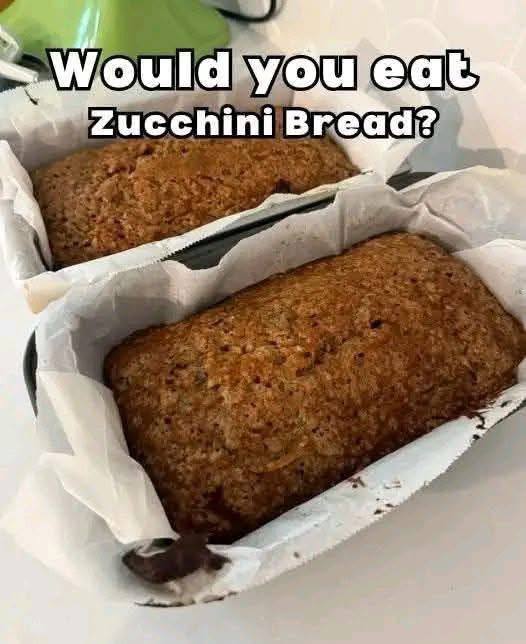
While some might immediately think of zucchini bread when looking for a healthier quick bread alternative, our sugar-free banana bread stands proudly as a delicious and satisfying option in its own right. It’s a testament to how simple ingredient swaps can transform a traditional favorite into a guilt-free indulgence. Get ready to bake a loaf that’s not only incredibly tasty but also aligns with your health goals, allowing you to enjoy the sweet things in life, sweetened naturally.
Nutritional Information
Per serving (approximate values, based on 12 slices per loaf):
- Calories: 180-200
- Protein: 4-5g
- Carbohydrates: 25-30g
- Fat: 8-10g
- Fiber: 3-4g
- Sodium: 180-220mg
Ingredients
- 2 cups (240g) all-purpose flour (or 1 cup all-purpose and 1 cup whole wheat flour for added fiber)
- 1 teaspoon baking soda
- 1/2 teaspoon salt
- 1 teaspoon ground cinnamon
- 1/4 teaspoon ground nutmeg (optional, but recommended)
- 3 very ripe medium bananas, mashed (about 1 cup)
- 1/2 cup (120ml) unsweetened applesauce
- 1/4 cup (60ml) melted coconut oil or unsalted butter (cooled)
- 2 large eggs, at room temperature
- 1/2 cup (100g) granulated erythritol or a sugar-free sweetener blend (like monk fruit + erythritol) equivalent to 1/2 cup sugar
- 1 teaspoon vanilla extract
- 1/4 cup (60ml) unsweetened almond milk or any milk of choice (optional, for consistency)
- 1/2 cup (60g) chopped walnuts or pecans (optional)
Instructions
- Preheat Oven and Prepare Pan: Preheat your oven to 350°F (175°C). Grease and flour a 9×5-inch loaf pan, or line it with parchment paper, leaving an overhang on the long sides to create “handles” for easy removal.
- Combine Dry Ingredients: In a large mixing bowl, whisk together the flour, baking soda, salt, cinnamon, and nutmeg (if using). Set aside.
- Prepare Wet Ingredients: In a separate medium bowl, mash the very ripe bananas thoroughly with a fork until mostly smooth but with a few small lumps remaining for texture.
- Mix Wet Ingredients: To the mashed bananas, add the unsweetened applesauce, melted and cooled coconut oil (or butter), eggs, granulated erythritol (or sugar-free sweetener blend), and vanilla extract. Whisk well until all the wet ingredients are thoroughly combined and the mixture is smooth. If using, add the unsweetened almond milk here and mix.
- Combine Wet and Dry: Pour the wet ingredient mixture into the dry ingredient mixture. Stir with a spatula or wooden spoon until just combined. Be careful not to overmix; a few streaks of flour are acceptable, as overmixing can lead to a tough bread.
- Fold in Add-ins (Optional): If you’re adding walnuts or pecans, gently fold them into the batter until evenly distributed.
- Transfer to Pan: Pour the batter into the prepared loaf pan and spread it evenly with a spatula.
- Bake: Bake for 50-65 minutes, or until a wooden skewer or toothpick inserted into the center of the loaf comes out clean. The top should be golden brown and the edges should be pulling away slightly from the pan.
- Cool: Once baked, remove the loaf pan from the oven and let the banana bread cool in the pan for about 10-15 minutes. This allows it to set and makes it easier to remove.
- Remove and Finish Cooling: Carefully lift the banana bread out of the pan using the parchment paper handles (if used), or invert it onto a wire rack. Let it cool completely on the wire rack before slicing and serving. Cooling completely ensures the bread is firm and less crumbly, and allows the flavors to fully develop.
Cooking Tips and Variations
Use Very Ripe Bananas: This is perhaps the most crucial tip for sugar-free banana bread. The riper the bananas (with plenty of brown spots or even entirely brown), the sweeter they are, providing natural sweetness that is essential when you’re not adding refined sugar. They also contribute significantly to the moistness and deep banana flavor. Don’t be afraid to use bananas that look “too far gone” for eating fresh – they’re perfect for baking!
Don’t Overmix: When combining the wet and dry ingredients, mix just until the flour streaks disappear. Overmixing develops the gluten in the flour, leading to a tough, dense bread rather than a tender, moist one. A few lumps are perfectly fine and often desirable.
Adjust Sweetener to Taste: The amount of sugar-free sweetener can be adjusted based on the ripeness of your bananas and your personal preference for sweetness. Start with the recommended amount and taste a tiny bit of the batter (before adding eggs for safety) if you’re unsure. Different sugar-free sweeteners can have varying levels of sweetness, so consult the packaging of your chosen brand.
For Added Moisture: If you find your banana bread tends to be dry, consider increasing the unsweetened applesauce by a tablespoon or two, or adding 1/4 cup of plain Greek yogurt or sour cream to the wet ingredients. This can boost moisture content without adding significant calories or sugar.
Spice it Up: Feel free to experiment with other warm spices. A pinch of ground ginger or cardamom can add a lovely depth of flavor. A small amount of allspice can also complement the banana and cinnamon wonderfully.
Nutty Crunch: If you enjoy texture, adding 1/2 cup of chopped walnuts or pecans is a fantastic option. Toasting them lightly before adding them to the batter can enhance their flavor even further. Simply spread them on a baking sheet and toast in the oven for 5-7 minutes at 350°F (175°C) before baking the bread.
Chocolate Lover’s Delight: For a touch of indulgence, fold in 1/2 cup of sugar-free chocolate chips. Ensure they are specifically sugar-free to maintain the integrity of the recipe. They melt beautifully and create pockets of rich chocolate flavor.
Fruity Boost: While the star is banana, you can also fold in 1/4 cup of other sugar-free dried fruits, like unsweetened cranberries or chopped dates, for extra chewiness and natural sweetness. Be mindful of the sugar content in dried fruits if you are strictly monitoring sugar intake.
Make it Gluten-Free: To make this recipe gluten-free, substitute the all-purpose flour with a 1:1 gluten-free baking flour blend that contains xanthan gum. Ensure your chosen blend is suitable for quick breads.
Portion Control Muffins: Instead of a loaf, you can easily adapt this recipe to make sugar-free banana muffins. Line a 12-cup muffin tin with paper liners or grease it well. Fill each cup about two-thirds full and bake for 20-25 minutes, or until a toothpick inserted into the center comes out clean. This is great for grab-and-go portions.
Topping Ideas: For a little extra flair, sprinkle a few extra chopped nuts or a dusting of cinnamon on top of the batter before baking. You could also drizzle a sugar-free glaze made from powdered erythritol and a splash of milk over the cooled loaf.
Check for Doneness Accurately: Since every oven is different, rely on the toothpick test rather than just the baking time. Insert a wooden skewer or toothpick into the very center of the loaf. If it comes out clean or with only a few moist crumbs attached, it’s done. If it has wet batter, continue baking for another 5-10 minutes and retest.
Cool Completely: Resist the urge to slice into the banana bread immediately after it comes out of the oven. Allowing it to cool completely on a wire rack helps it firm up, prevents it from crumbling, and allows the flavors to meld and intensify. It also makes for cleaner slices.
Storage and Reheating
Room Temperature Storage: Once completely cooled, the sugar-free banana bread can be stored at room temperature for up to 3-4 days. Wrap the entire loaf tightly in plastic wrap or aluminum foil, or place slices in an airtight container. Keep it in a cool, dry place away from direct sunlight.
Refrigeration: If you want to extend its freshness, especially in warmer climates, you can store the banana bread in the refrigerator for up to a week. Again, wrap it tightly in plastic wrap or foil, or place it in an airtight container to prevent it from drying out or absorbing odors from other foods.
Freezing for Longer Storage: Banana bread freezes exceptionally well!
- Whole Loaf: Ensure the loaf is completely cool. Wrap it tightly in plastic wrap, then wrap it again in aluminum foil. Place it in a freezer-safe bag. It can be frozen for up to 3 months.
- Individual Slices: For convenient grab-and-go portions, slice the cooled banana bread first. You can place parchment paper between slices to prevent sticking, then stack them and wrap the stack tightly in plastic wrap and foil, or place them in a freezer-safe container or bag. This method allows you to thaw only what you need.
Reheating from Frozen:
- Whole Loaf: Thaw the wrapped loaf overnight in the refrigerator. Once thawed, you can warm it gently in a preheated oven at 300°F (150°C) for about 10-15 minutes, or until heated through.
- Individual Slices: Thaw slices at room temperature for about 30 minutes, or pop them directly into a toaster or microwave. In a toaster, toast until warm and lightly crispy. In a microwave, heat for 20-30 seconds per slice, or until warmed through.
Reheating from Refrigerator:
If stored in the refrigerator, you can enjoy slices cold, or warm them up slightly. A quick zap in the microwave for 15-20 seconds, or a few minutes in a toaster oven, will bring back that freshly baked warmth.
Pro Tip: Reheating slices in a toaster oven or regular oven can help restore a slightly crispy crust, enhancing the texture.
Frequently Asked Questions
Can I use overripe bananas that are completely black?
Absolutely! In fact, completely black, soft bananas are ideal for this sugar-free banana bread. They are at their peak sweetness and contribute the most intense banana flavor and moisture, which is crucial when you’re not relying on added sugars. Don’t discard them; they’re perfect for baking!
What’s the best sugar-free sweetener to use for this recipe?
Granulated erythritol or a blend of erythritol and monk fruit are excellent choices. Erythritol provides bulk and sweetness without affecting blood sugar, and monk fruit adds a more intense sweetness without the aftertaste that some people detect with other sweeteners. Avoid liquid sweeteners as they can alter the wet-to-dry ingredient ratio, affecting the bread’s texture. Always check the conversion ratio on your specific sweetener’s packaging, as sweetness levels can vary.
Can I make this banana bread without any added fat like coconut oil or butter?
You can try replacing the coconut oil or butter with an equal amount of additional unsweetened applesauce or mashed ripe avocado for an even lower-fat option. However, be aware that removing all fat can sometimes result in a slightly denser or less tender crumb. The fat contributes to moisture, richness, and mouthfeel, so while it’s possible to omit it, the texture may change.
My banana bread came out dry, what went wrong?
Several factors can lead to dry banana bread. The most common culprits are overmixing the batter (which develops gluten and makes it tough), overbaking (which removes too much moisture), or not using ripe enough bananas (which contribute less moisture and natural sweetness). Ensure your oven temperature is accurate and use the toothpick test for doneness. Also, ensure you’re using sufficiently ripe, almost black, bananas for optimal moisture and flavor.